Hot-Dip Galvanised Compressor Skids for Mining — Pair of Two
Project Summary
Mining environments are unforgiving on equipment. Compressed air systems that spend their working lives underground — exposed to moisture, groundwater, mine dust, and the constant vibration of production equipment — need more than a coat of paint to stay serviceable. When Pneumatic Engineering required a pair of compressor skids for mining deployment, the specification called for hot-dip galvanising: the surface treatment that genuinely protects steel in harsh, wet conditions rather than merely delaying the inevitable.
Elite Engineering WA fabricated both skids to identical specification through our skid frame fabrication capability, giving Pneumatic Engineering a matched pair that can be deployed to the same site or split across two locations while maintaining consistent equipment standards. The galvanised finish means maintenance crews aren’t dealing with rust-compromised lifting points or corroded structural members when equipment eventually needs to be relocated or serviced underground.
This project is part of a sustained fabrication relationship with Pneumatic Engineering across 2025. The February compressor drag skids, the extended units with integrated air dryers in August, and this pair — each project builds on a shared understanding of what underground mining operations actually demand from compressed air equipment.
Why Hot-Dip Galvanising for Mining Skids
Surface treatment selection for mining equipment is not cosmetic. Paint systems provide adequate protection in dry, controlled environments, but mining conditions test any coating far harder than a typical workshop or industrial surface. Underground environments combine humidity, condensation, water ingress, and frequent contact with abrasive material. These conditions accelerate corrosion on painted steel and can compromise structural integrity within a few years.
Hot-dip galvanising solves this by bonding zinc metallurgically to the steel surface rather than simply coating it. The zinc layer provides both a physical barrier and sacrificial protection — if the coating is scratched or damaged, the surrounding zinc corrodes preferentially, protecting the parent steel. The result is a surface treatment specified to AS/NZS 4680 that outlasts paint systems by a significant margin in mining conditions.
For a compressor skid, this matters most at the lifting points, forklift pockets, and structural connections — the areas that take the most mechanical abuse and where structural failure is most consequential.
Fabrication and Consistency Across a Matched Pair
Fabricating two identical units introduces its own quality control requirements. Dimensional consistency matters when equipment needs to be interchangeable — the same set of compressor components, ancillary fittings, and connection points must align on both skids. Achieving this requires accurate marking out, consistent welding sequences, and verification against a common reference before the units go to galvanising.
The galvanising process itself adds a small dimensional allowance to consider — zinc coating thickness runs typically 45–85 microns, which is negligible on structural members but worth accounting for on tight-fitting assemblies. Both skids were fabricated with this in mind to ensure the galvanised finish didn’t create fitment issues with compressor mounting hardware.
Structural welding throughout meets AS/NZS 1554.1 Category SP — the standard at the core of our welding consulting and AS1554 certification work, where weld quality directly affects the structural performance of the finished assembly.
Applications for Galvanised Compressor Skids
Galvanised compressor skid frames are suited to any application where a painted skid would require ongoing maintenance or early replacement:
- Underground mining — constant moisture and groundwater exposure
- Surface mining operations in tropical or coastal regions
- Offshore and marine adjacent applications
- Remote sites where equipment needs to operate without regular maintenance intervention
- Wet processing plants and mineral processing facilities
The choice of galvanising over paint is typically a whole-of-life cost decision rather than an upfront one. The additional cost of galvanising is recovered in reduced maintenance, longer service intervals, and extended asset life — and our quality control processes ensure the finish meets specification before any skid leaves the workshop.
Frequently Asked Questions
A compressor skid is a structural steel frame that mounts a compressor and associated equipment — air receivers, dryers, intercoolers, control panels — as a single transportable unit. The skid provides a rigid, level base that can be moved as a complete assembly by forklift or crane, and positioned on site without requiring a permanent concrete foundation.
Paint provides adequate protection in clean, dry conditions. Mining environments — particularly underground — involve continuous moisture, water spray, condensation, and physical abrasion that degrade paint coatings relatively quickly. Hot-dip galvanising bonds zinc to the steel surface metallurgically, providing corrosion protection that survives physical contact and wet conditions far better than paint. For mining equipment expected to last 10+ years with minimal maintenance, galvanising is the more cost-effective long-term choice.
All structural welding is performed to AS/NZS 1554.1 Category SP (Structural Purpose). This is the standard applicable to structural steel welding in Australia and New Zealand, and specifies weld quality requirements relevant to structural performance. Our welders are qualified to this standard.
AS/NZS 4680 specifies the requirements for hot-dip galvanised coatings on ferrous metals, including coating thickness, adhesion, and surface finish. Coating thickness for structural steel typically runs 45–85 microns depending on steel thickness.
Yes. Skid dimensions are determined by the equipment being mounted and the site constraints — forklift aisle widths, cage dimensions, transport vehicle dimensions. We fabricate to client-supplied layouts or can assist with layout development if required.
For a pair of skids of this type, fabrication typically runs 2–3 weeks. Galvanising is a subcontracted process that adds approximately 3–5 working days depending on the galvaniser's schedule. Total lead time from order to delivery is typically 4–6 weeks.
Elite Engineering WA fabricates the structural skid frame. Integration of compressor units, air dryers, receivers, and ancillary equipment is typically performed by the compressed air equipment supplier — in this case Pneumatic Engineering. This arrangement lets each party work within their area of expertise while delivering a complete, ready-to-operate unit to the end user.
Project Gallery
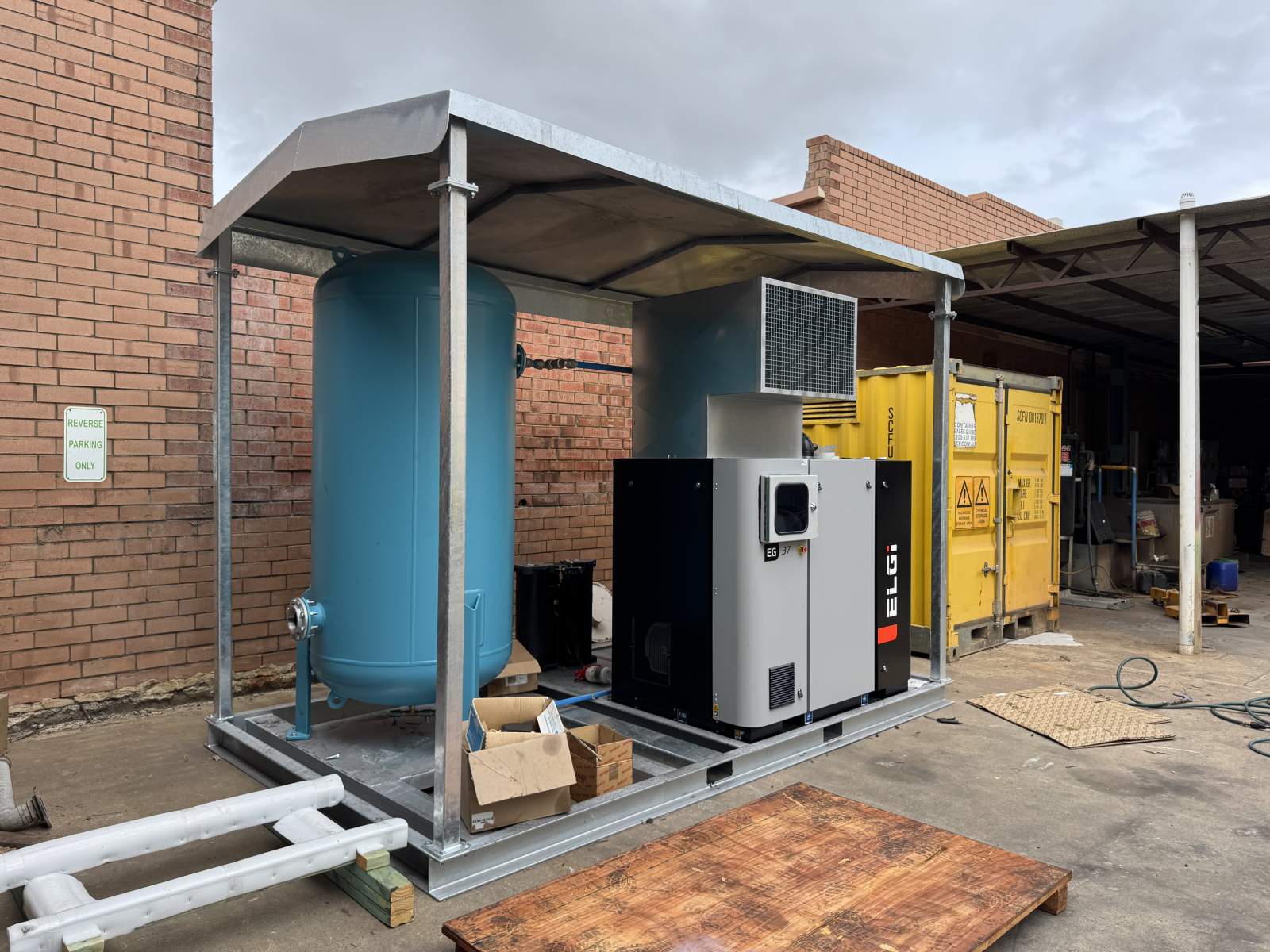
Pair of hot-dip galvanised compressor skids completed for Pneumatic Engineering — ready for mining deployment
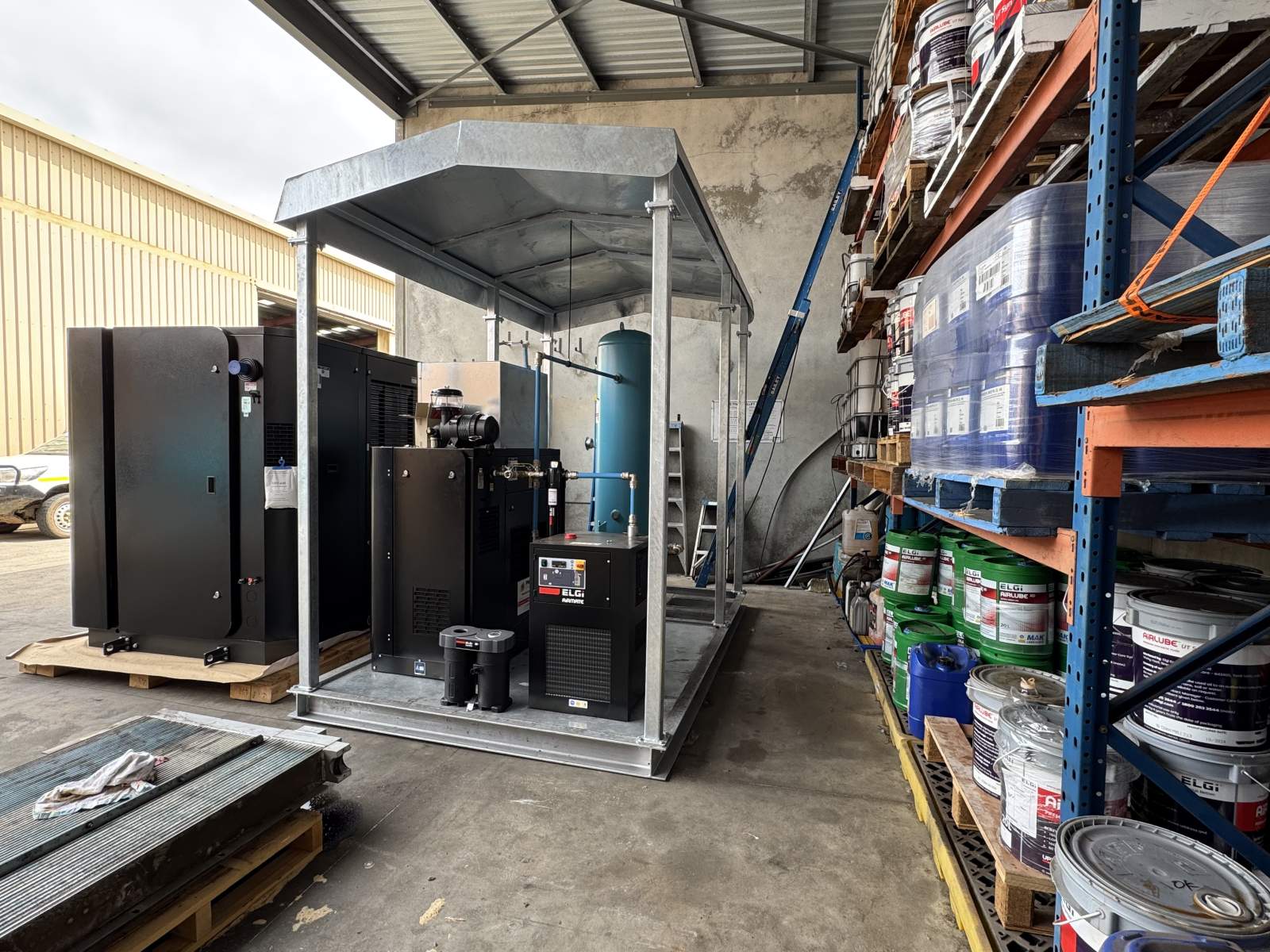
Detail showing the hot-dip galvanised finish — specified for long-term corrosion resistance in mining environments
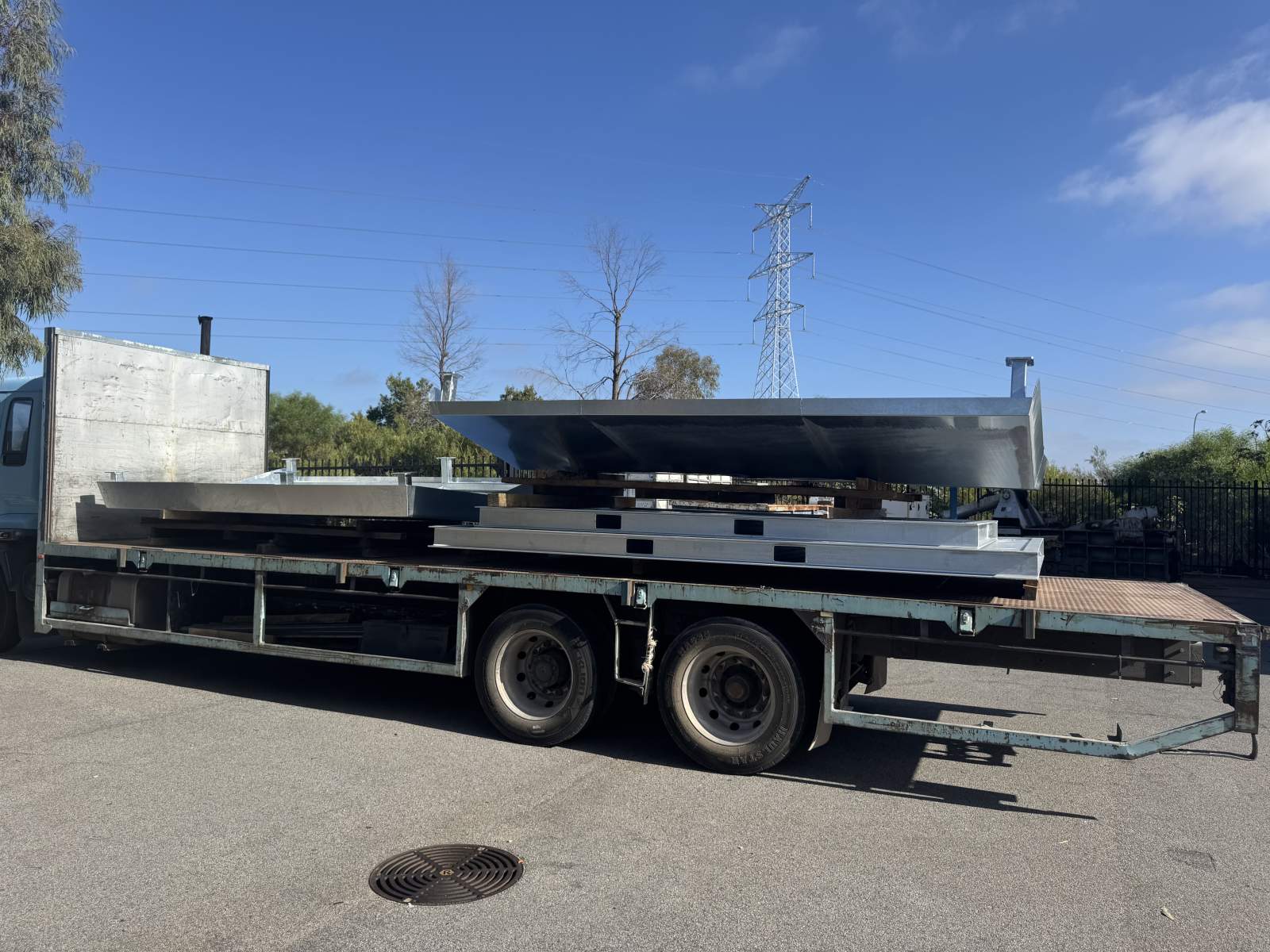
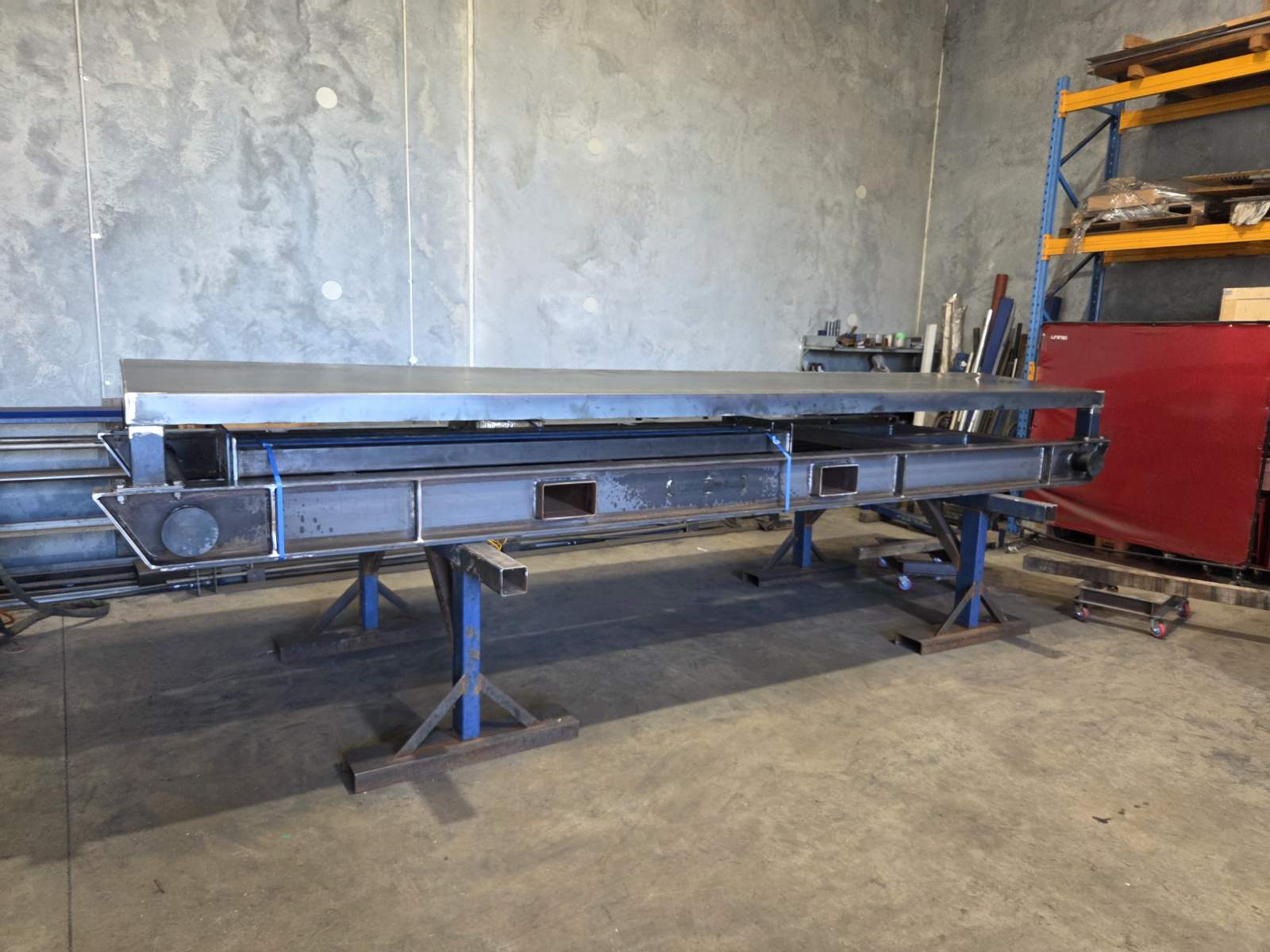
Compressor skids during fabrication in the Elite Engineering WA workshop, Perth
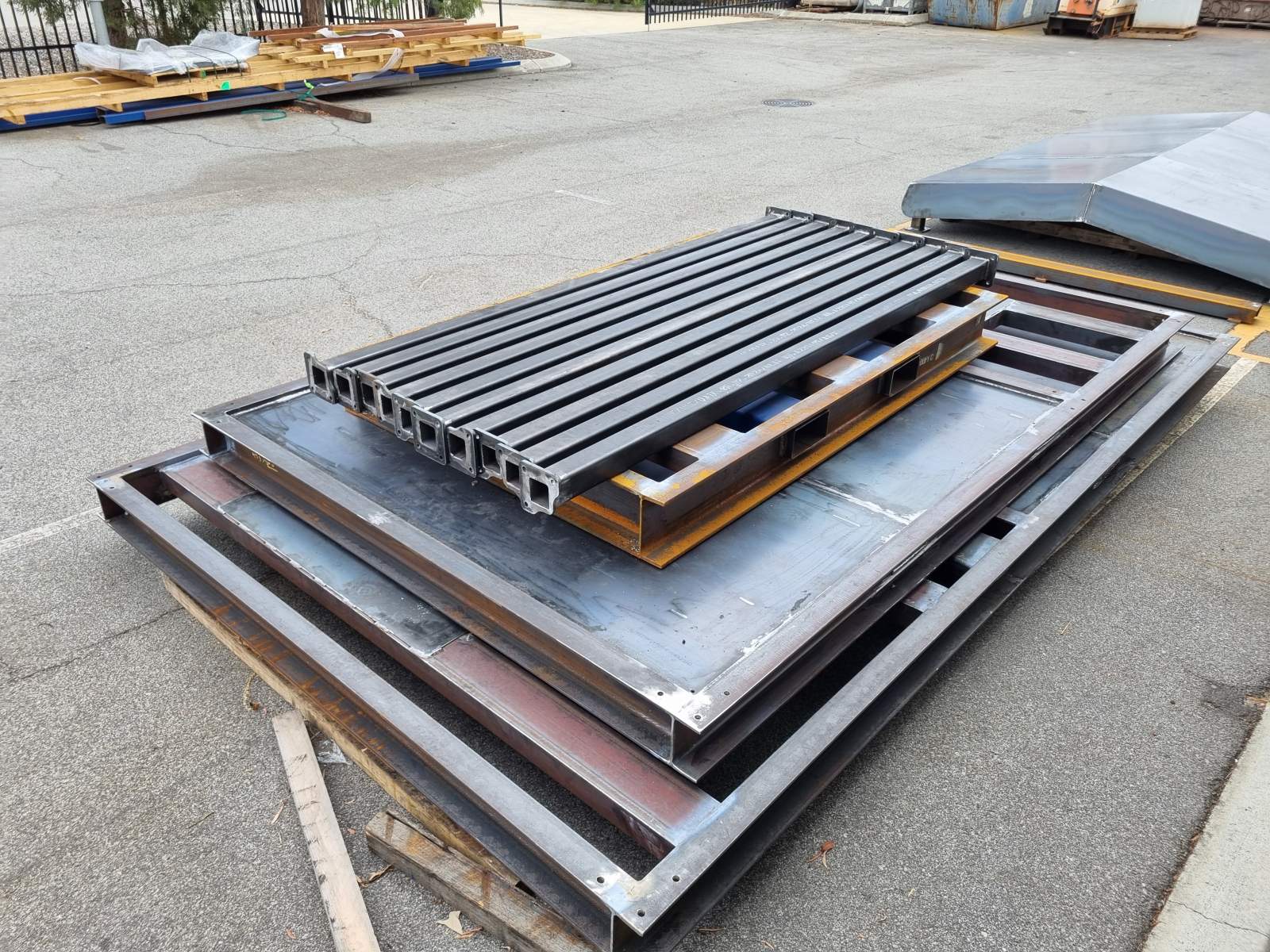
Finished skids prior to despatch — surface treatment complete and ready for compressor mounting
Project Details
- Location
- Perth, Western Australia, Australia
- Sector
- Mining / Compressed Air Systems
- Status
- Completed
- Project Value
- $$$$
- Completion Date
- August 2025
- Standards
- AS/NZS 1554.1 SP - Structural Steel Welding (Structural Purpose) AS/NZS 4680 - Hot-dip galvanised coatings on ferrous metals