Custom Motor Test Rigs with Safety Guards
Project Summary
Spinning motors are dangerous. Period. When Vitruvian needed test rigs for their servo motor development program, they faced a fundamental safety challenge that confronts anyone working with rotating machinery—you need to observe the motor’s behavior while it spins at potentially lethal speeds, but those same rotating components pose serious risks to anyone nearby. Engineers need to evaluate performance across different speeds, loads, and operating conditions. They need to monitor electrical characteristics, measure torque output, and observe mechanical behavior. All of this testing happens with motors spinning at speeds that create kinetic energy demanding absolute respect and proper safeguarding.
We designed and fabricated custom test rigs that integrate sophisticated safety guard systems with robust mounting platforms, creating a testing environment where engineers can thoroughly evaluate motor performance without exposure to rotating machinery hazards—because comprehensive testing shouldn’t require risking fingers, hands, or worse.
Engineering Safety into Testing Equipment
Our approach to these test rigs started with understanding the complete testing workflow, because safety systems that interfere with legitimate work tend to get bypassed, defeated, or ignored. Motors need to be installed and removed regularly as different units cycle through evaluation—sometimes multiple times per day during intensive development phases. Drive electronics require mounting near the motors with proper cable management that doesn’t create trip hazards or interference with the testing process. Engineers need visual observation of the motor during operation to detect vibration, noise, or other mechanical issues that might indicate problems. Each of these requirements had to be accommodated while maintaining absolute safety standards that couldn’t be compromised under any circumstances.
The safety guard system we developed uses interlocked enclosures that completely surround the motor during operation. These aren’t simple covers. They’re engineered barriers that physically prevent access to rotating components whenever the motor is energized, using interlock switches positioned so that opening any guard panel immediately cuts power to the motor—not after a delay, not with a warning, but immediately and absolutely. This isn’t just good practice; it’s a fundamental safety requirement that ensures the motor cannot operate unless all guards are properly closed and secured.
We designed the guards to provide visual observation windows where appropriate, allowing engineers to watch the motor during testing without compromising safety—because you can’t evaluate what you can’t see. The guards are substantial enough to contain any debris if a component fails during high-speed testing, yet they’re designed for quick access when motors need to be changed or adjusted. The quick-release mechanisms allow guards to be opened easily during setup, but they can’t be bypassed during operation. The interlocks ensure that.
Robust Test Platform Engineering
The test rig structure itself needed to provide a stable, vibration-resistant platform that wouldn’t influence test results through resonance or movement that could mask actual motor behavior. We fabricated heavy-duty steel frames that absorb vibration rather than amplifying it—a critical distinction that separates professional test equipment from makeshift setups that introduce their own variables into the testing process. The base design distributes weight broadly, creating a low center of gravity that resists movement even when motors are running at high speeds with significant torque output that would topple lighter, less carefully engineered structures.
Motor mounting provisions are adjustable to accommodate different servo motor sizes and configurations, because development programs test multiple motor variants and the test equipment needs to adapt rather than requiring separate rigs for each motor type. The mounting system provides secure clamping that holds motors firmly during testing while allowing relatively quick changeover when different motors need evaluation—typically accomplished in minutes rather than hours. We incorporated provisions for mounting drive electronics near the motors, with integrated cable management that keeps power and signal cables organized and protected from the mechanical hazards present in any testing environment.
The emergency stop system integrates throughout each test rig, providing immediate shutdown capability from multiple locations. These aren’t afterthought additions. They’re fundamental safety features positioned where operators can reach them instantly if anything goes wrong during testing—and in motor testing, things can go wrong very quickly. The emergency stop circuits are hardwired to cut power immediately, providing fail-safe protection that doesn’t depend on software or complex control systems that might fail when you need them most.
Professional Finish for R&D Environment
These test rigs operate in Vitruvian’s research and development facility, where they’re used daily by engineers and technicians who deserve equipment that’s both safe and professional. The powder coat finish provides durability against the wear of regular use while presenting the clean, organized appearance appropriate for a professional R&D environment—because the quality of your tools reflects the quality of your work. The finish also provides corrosion resistance, ensuring the test rigs maintain their appearance and functionality over years of service rather than degrading into rusty, unreliable equipment that undermines confidence in test results.
The modular nature of our design means Vitruvian can use multiple test rigs simultaneously, evaluating different motors in parallel to accelerate their development timeline. Each rig provides the same safety features and testing capabilities, creating consistency across their testing program that enables valid comparisons between different motor designs and configurations.
What makes these test rigs particularly effective is how they balance safety with usability. Engineers can set up tests quickly. Change motors efficiently. Observe operation clearly. All while being completely protected from rotating machinery hazards that could cause serious injury. The interlocked guards provide absolute safety without making the testing process cumbersome or time-consuming—a balance that requires careful engineering to achieve but makes all the difference in daily use.
This project demonstrates our understanding that specialized test equipment needs to serve its users effectively while never compromising on safety. The test rigs we created for Vitruvian enable productive motor development work in an environment where safety is engineered in, not added on as an afterthought. Every aspect of the design reflects our commitment to creating equipment that protects operators while facilitating the work they need to accomplish, because good engineering serves both purposes simultaneously rather than treating them as competing priorities.
Project Gallery
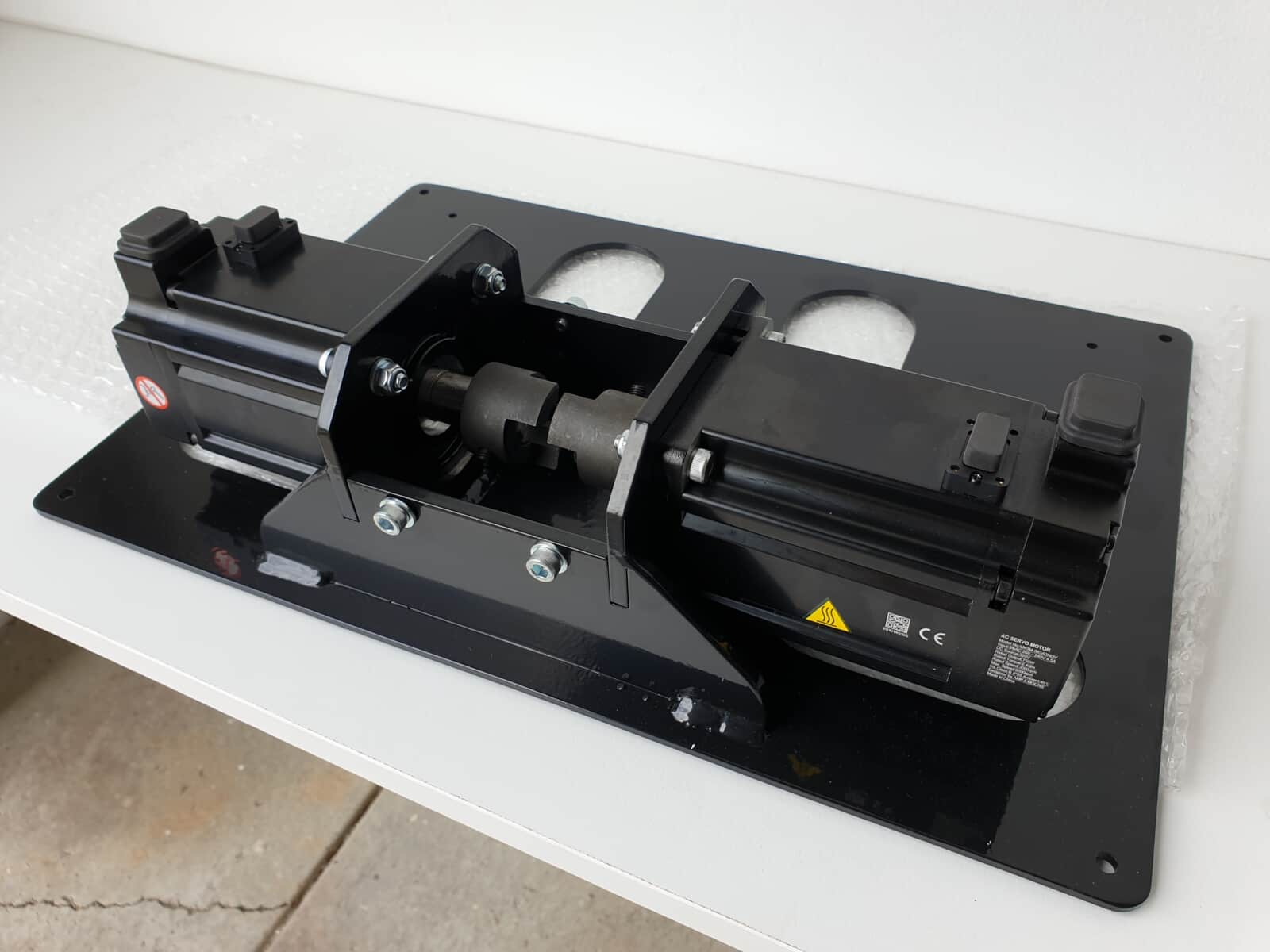
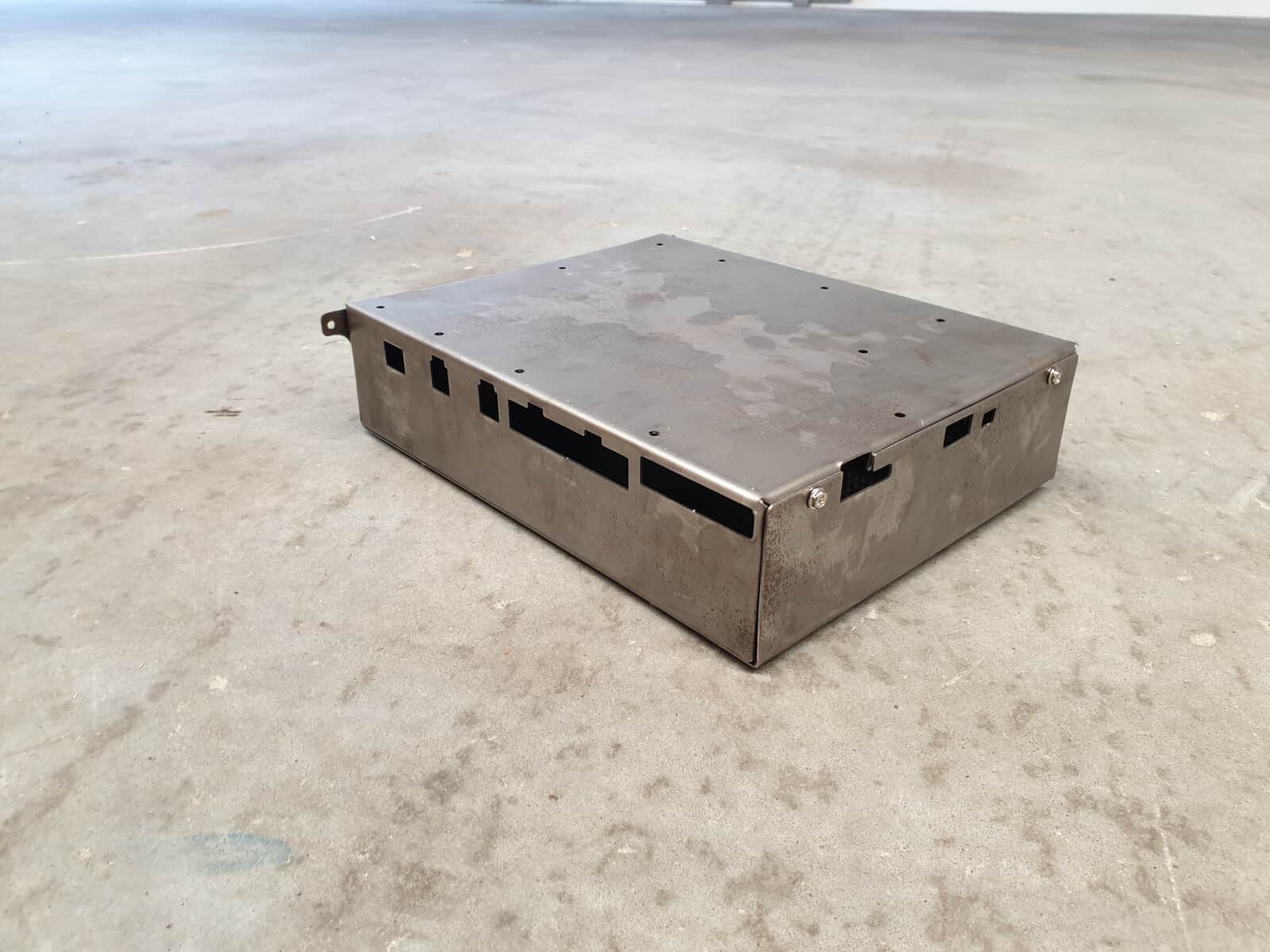
Completed motor test rig with integrated safety guard system
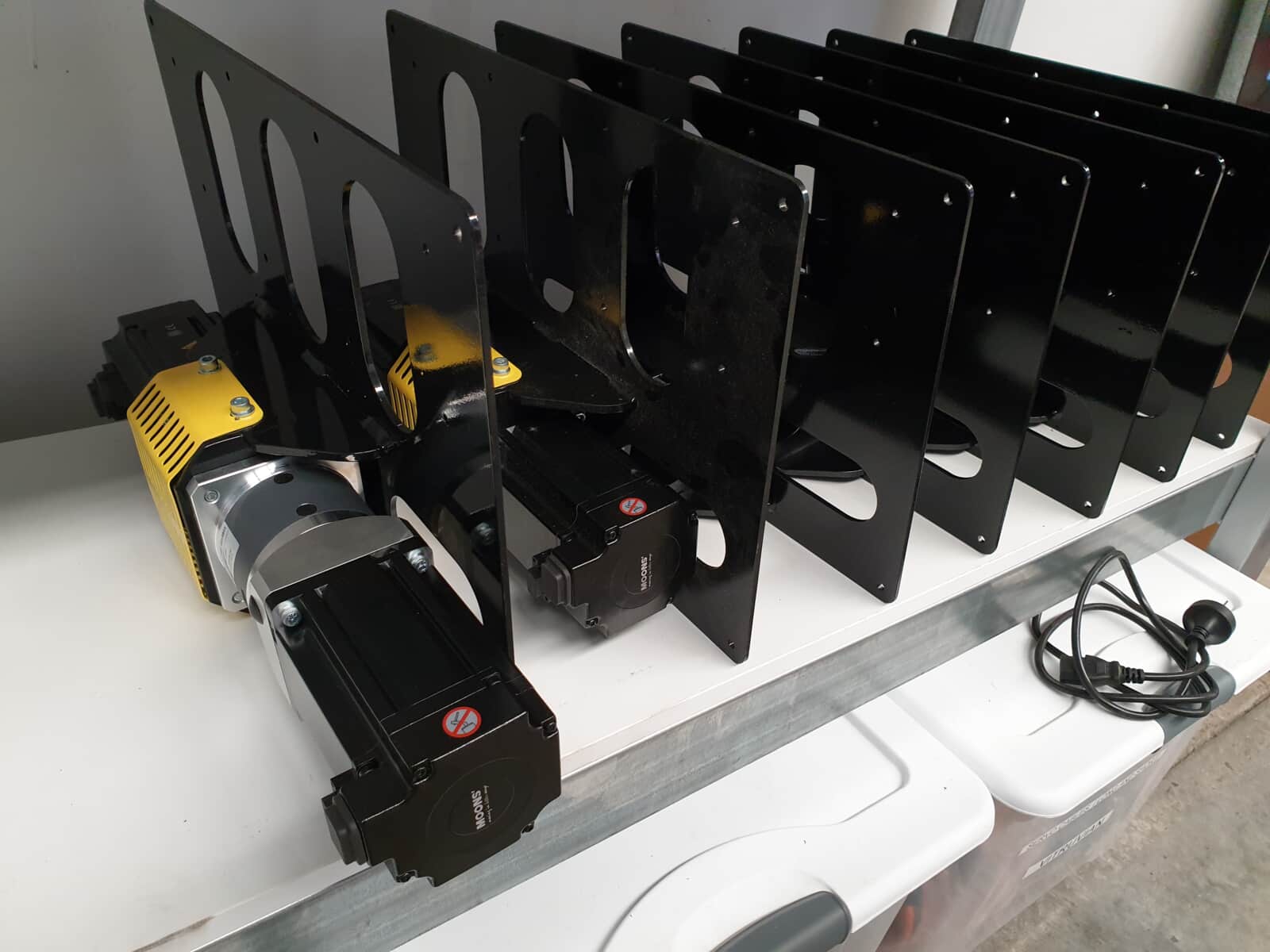
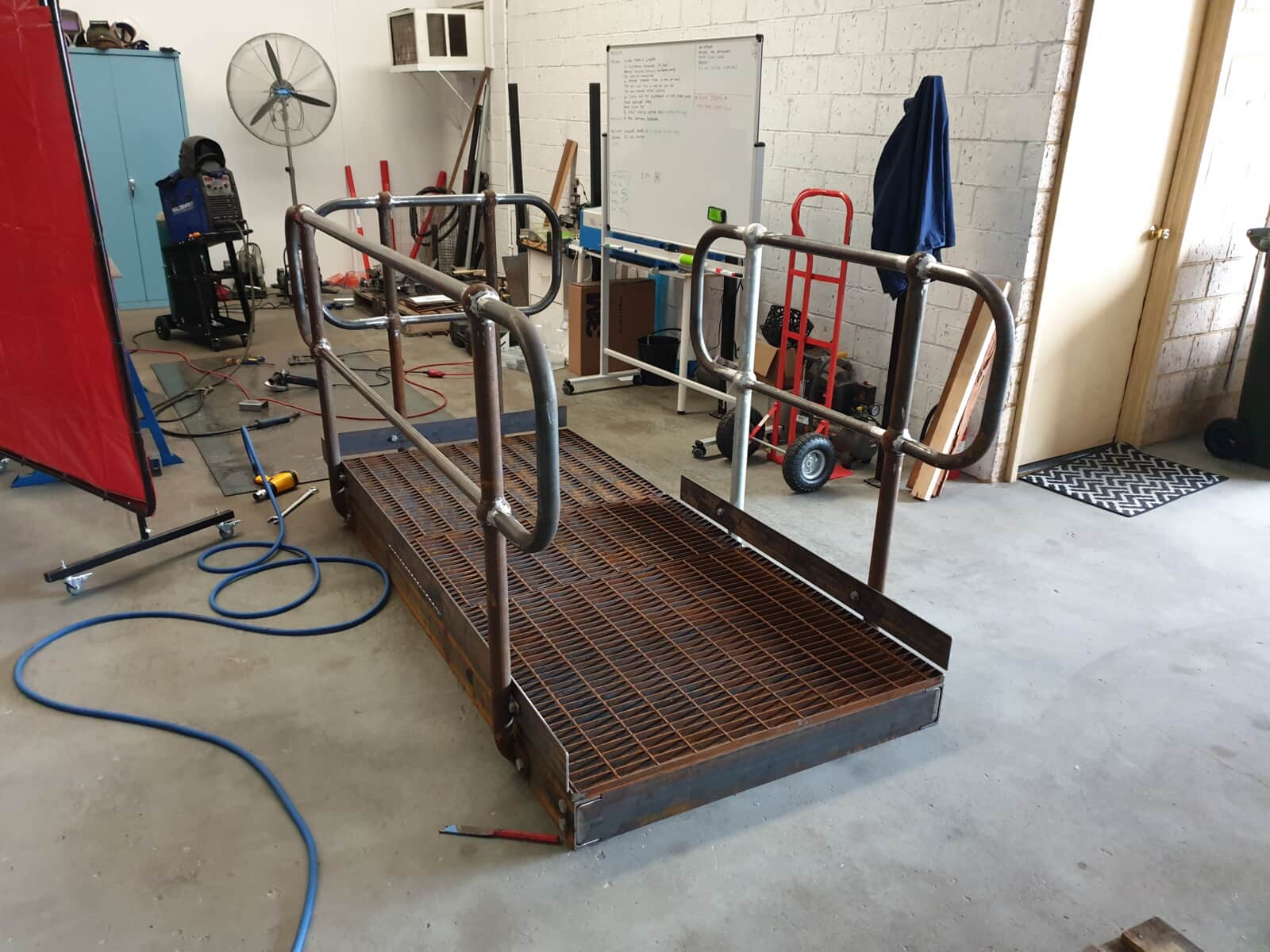
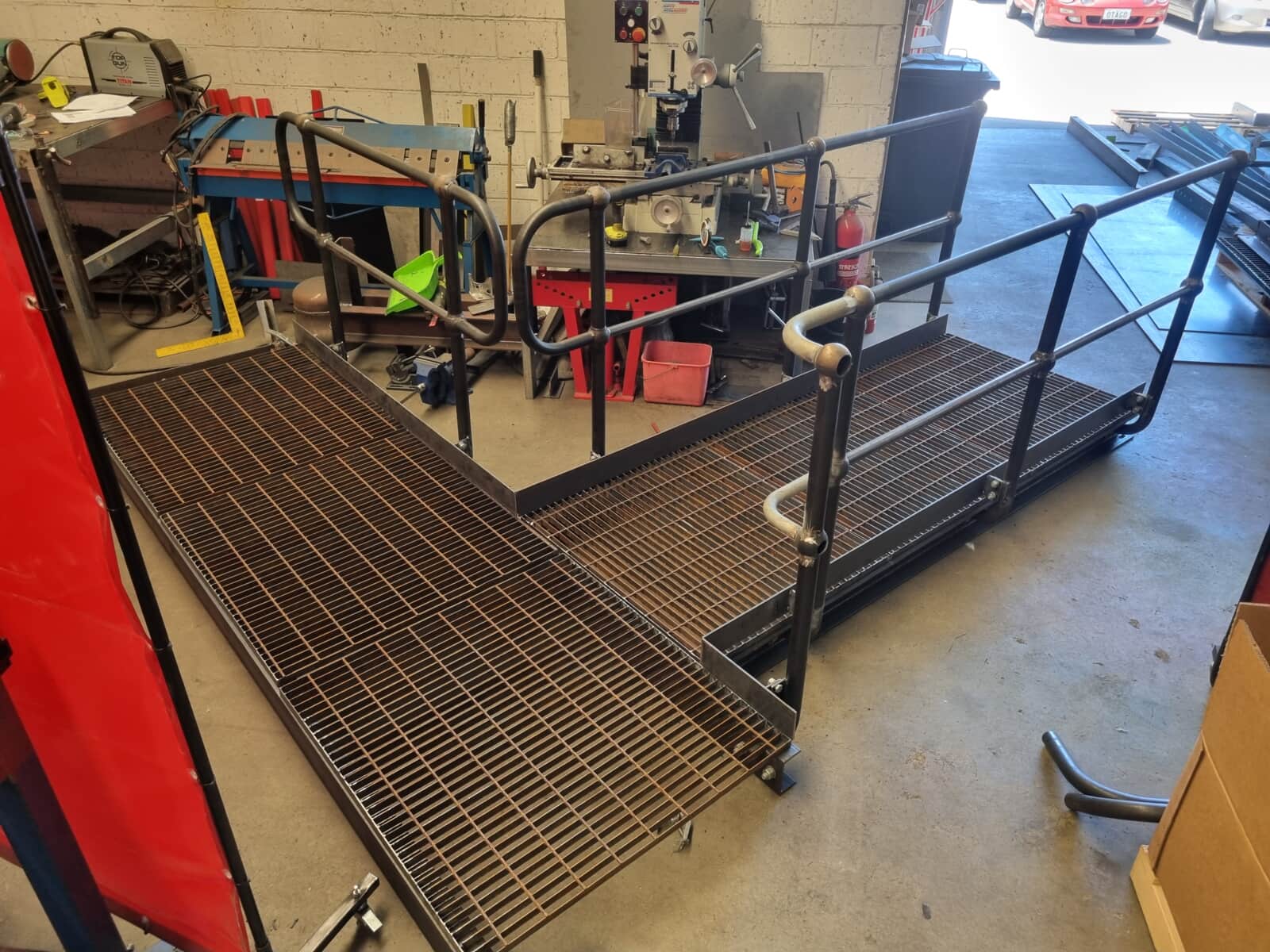
Multiple test rigs showing modular design and safety features
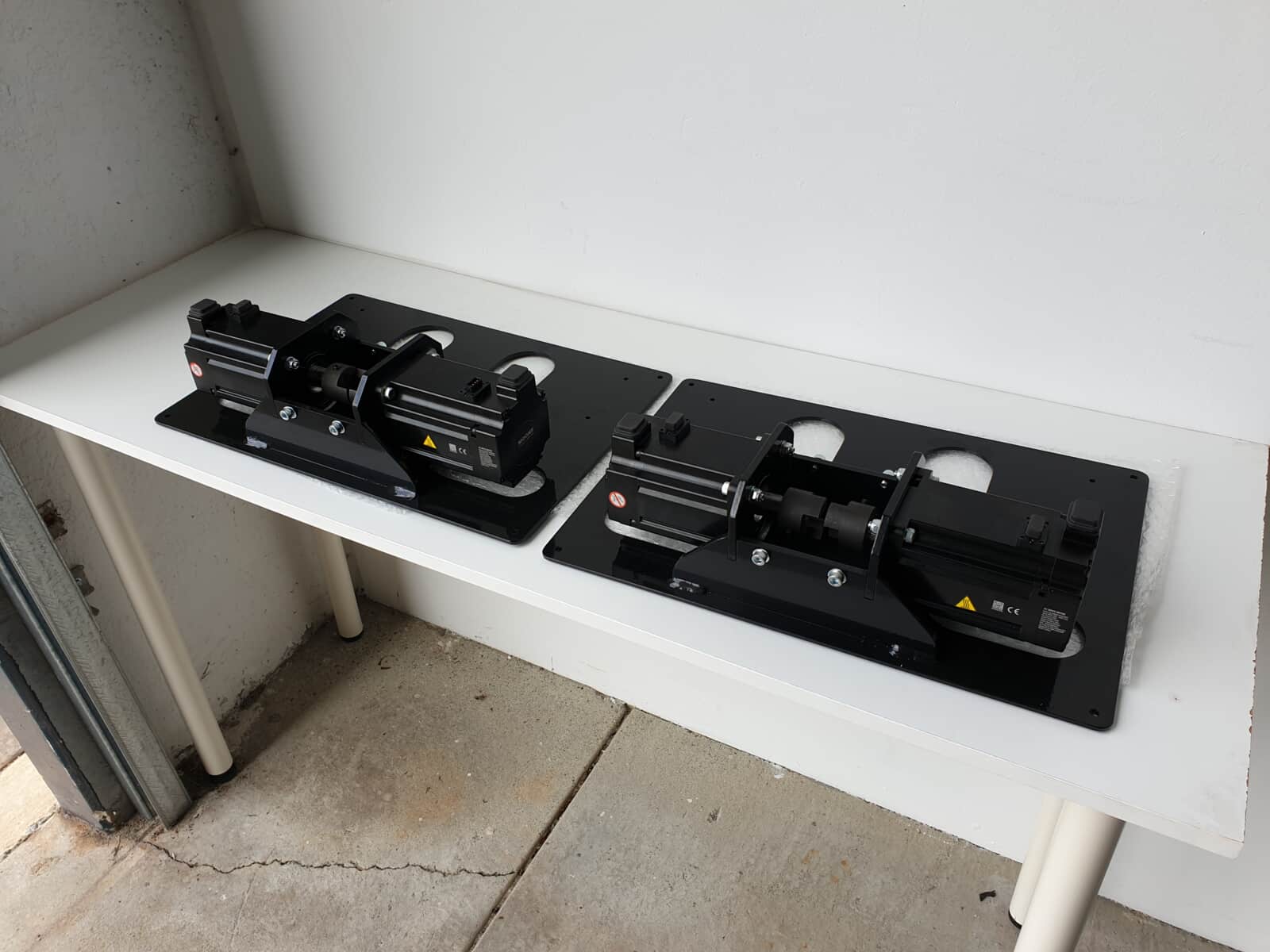
Alternative view of motor test rig showing construction detail
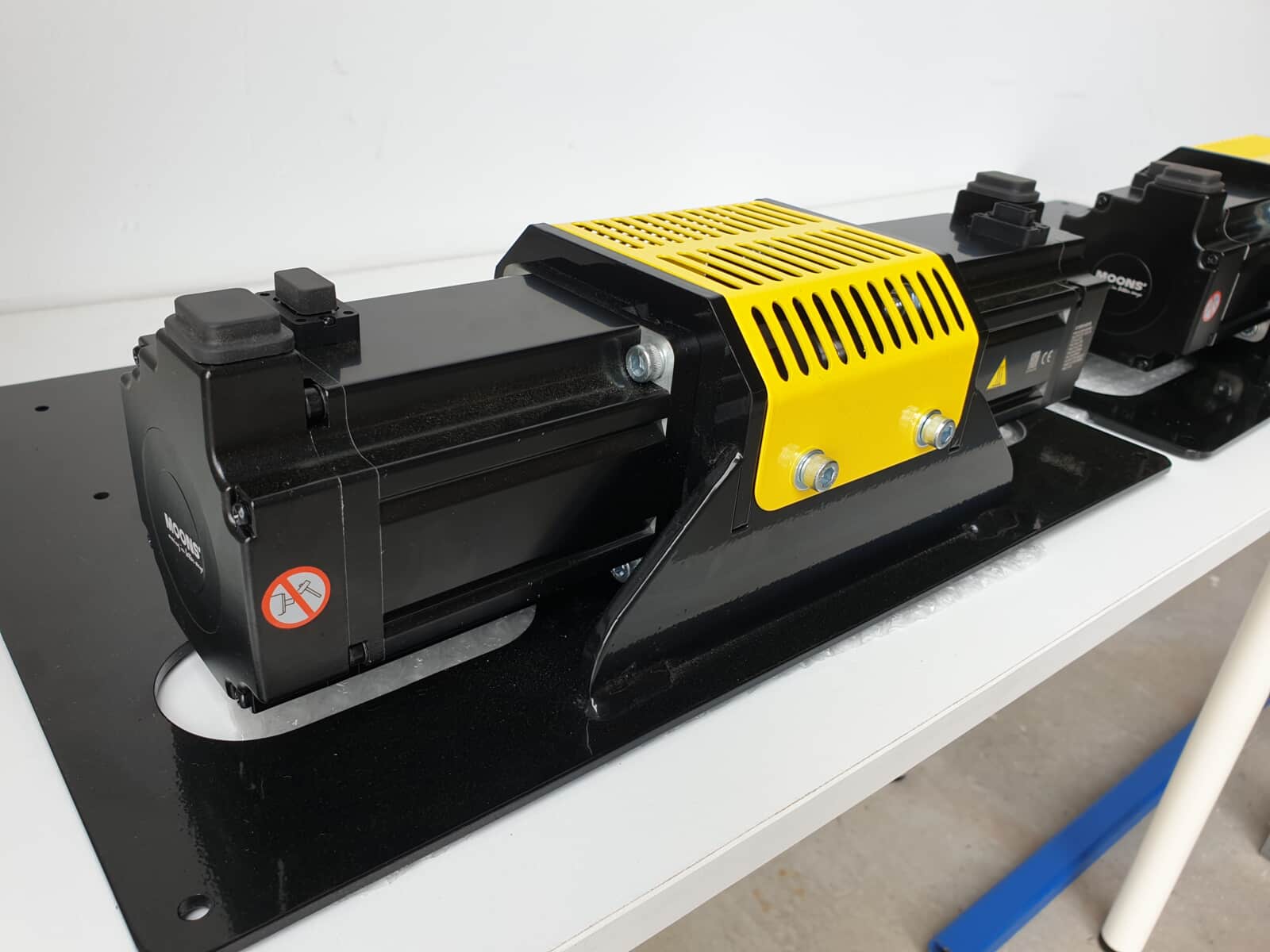
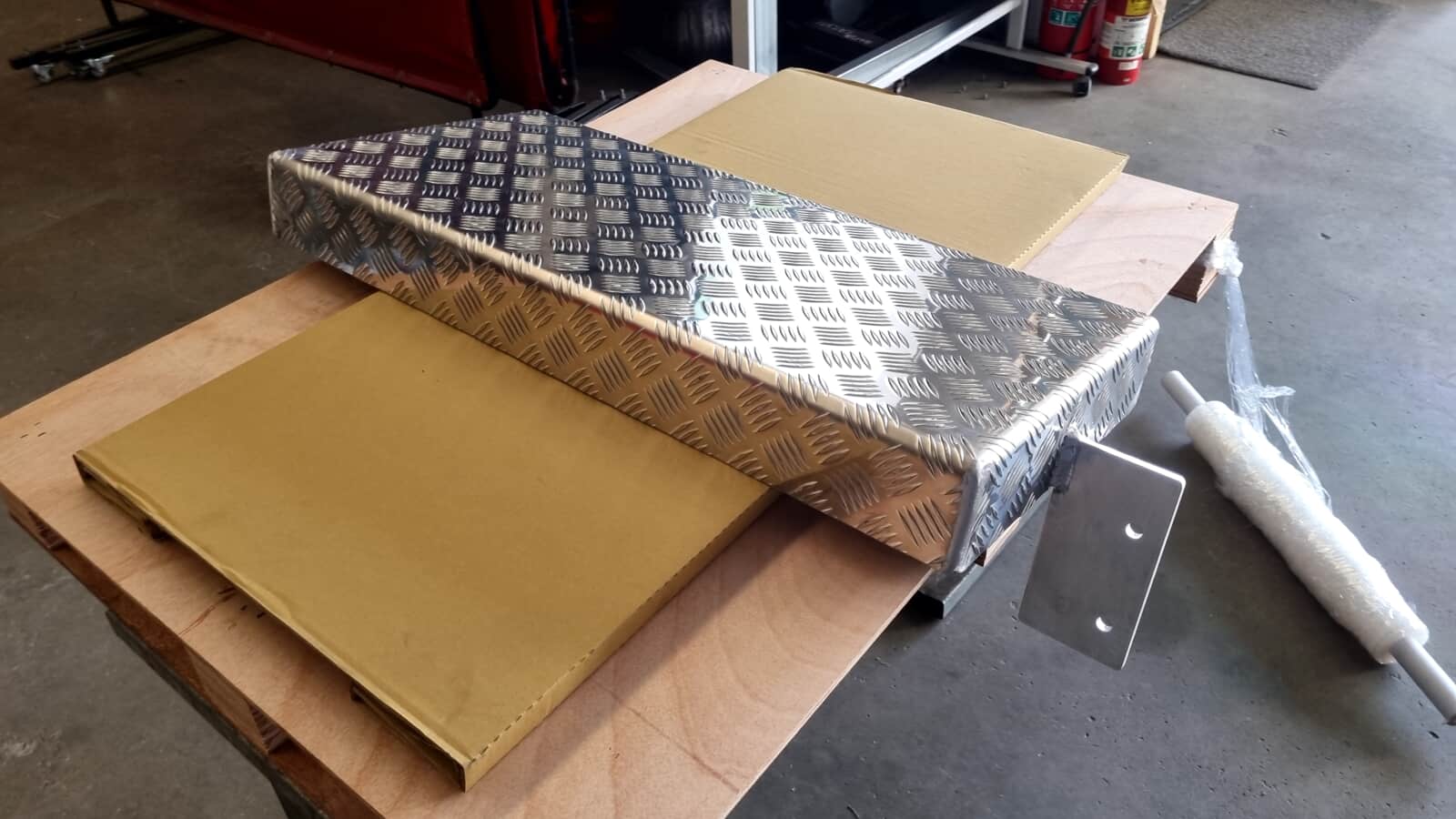
Motor test rig with safety guard in closed position
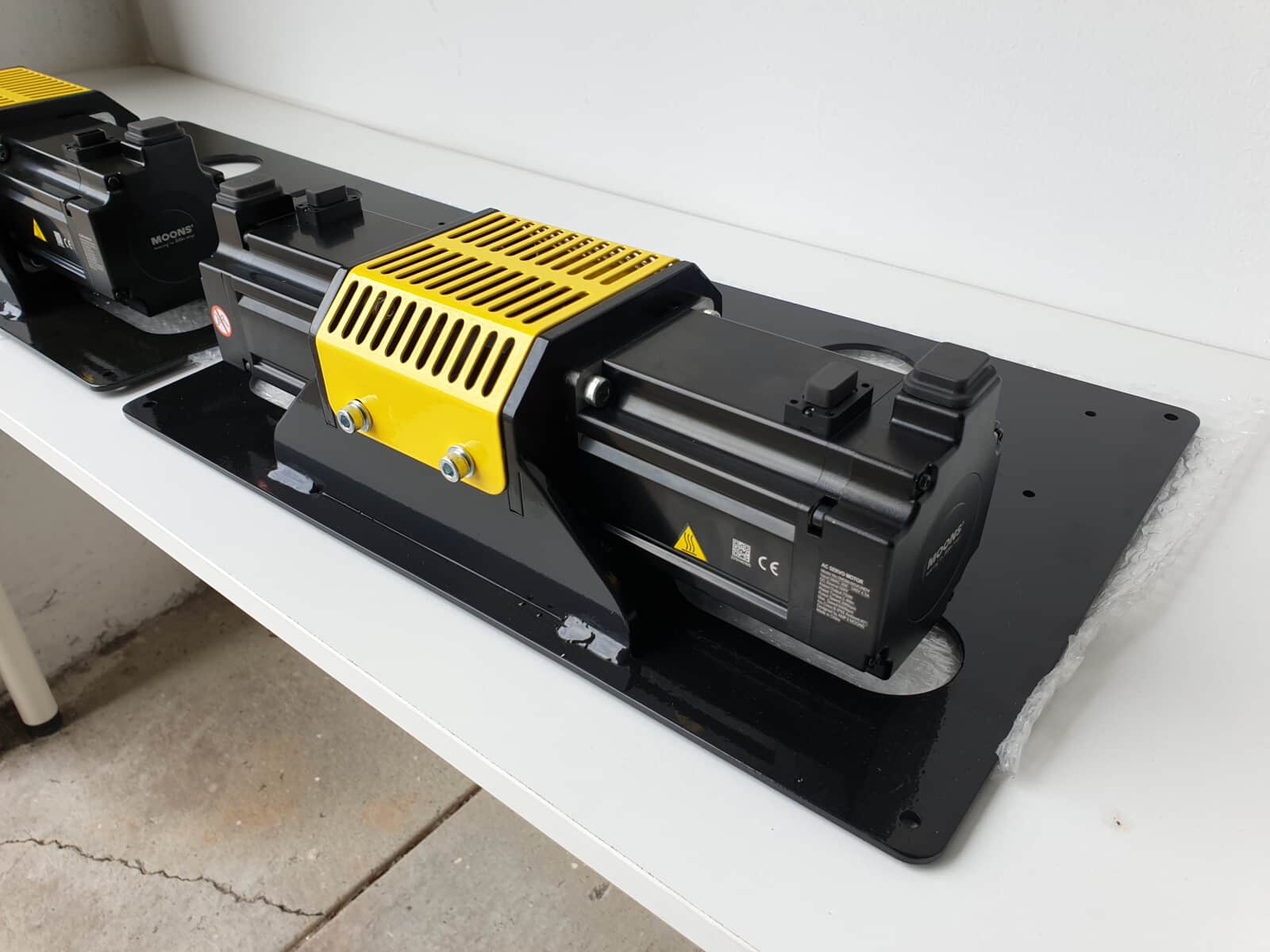
Close-up of safety guard and interlock system
Project Details
- Location
- Perth, Western Australia, Australia
- Sector
- Electronics / Technology / Manufacturing / Testing Equipment
- Status
- Completed
- Project Value
- $
- Completion Date
- April 2021
- Standards
- AS 4024 - Machinery safety Electrical safety requirements WorkSafe WA compliance