Modular Rear Access Platform for Electrical Substation
Project Summary
No crane access. That’s what our client told us about the electrical substation site where they needed a rear access platform installed. The technical requirements seemed straightforward enough—the platform needed to meet AS1657 standards, provide safe access to equipment, and withstand decades of service in a harsh electrical environment. Standard stuff. But the installation site had absolutely no crane access due to overhead power lines and proximity to live electrical equipment, which meant conventional installation methods were completely off the table.
This constraint transformed what could have been a routine platform project into an exercise in innovative modular engineering that would challenge everything we knew about platform construction. We needed to design a platform that could be carried in by hand, assembled on-site by a two-person crew, and still meet every structural and safety requirement as if it had been installed as a single piece—because Australian Standards don’t care how difficult your installation is, they only care that the finished platform performs correctly.
Rethinking Platform Construction
Traditional access platforms are fabricated as large assemblies that get lifted into place by crane. Simple. Effective. Completely useless when cranes can’t access the site. We needed to break the platform down into manageable modules while maintaining structural integrity and ensuring the assembled platform would perform exactly as required by AS1657 standards—a challenge that required fundamentally rethinking how platforms are constructed rather than simply cutting a conventional platform into pieces. Our handrail and platform fabrication capability was central to developing this solution.
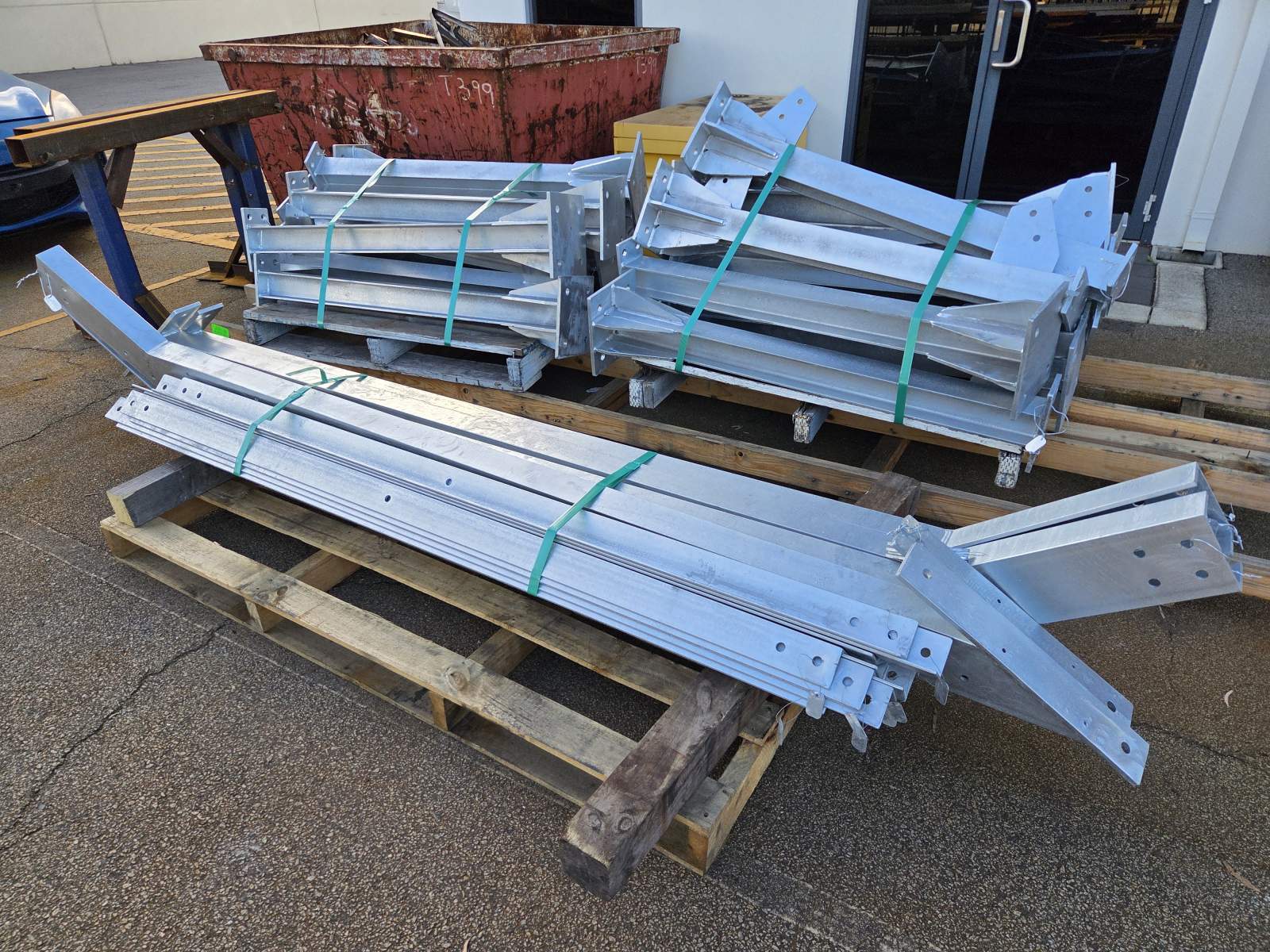
The key was engineering each module to weigh less than 50 kilograms. Light enough for two people to safely carry and position. Yet substantial enough to form part of a robust platform structure that would support maintenance workers and equipment for decades. This weight target drove every design decision, forcing us to optimize structural members to provide necessary strength with minimal material, position connection points to distribute loads effectively across the modular joints, and design the modules to nest efficiently for transport while being intuitive to assemble on-site.
Each module needed to function independently during installation while contributing to the overall platform strength once assembled—a dual requirement that’s far more challenging than it sounds. The bolt-together connection system we developed uses precision-drilled holes that align perfectly during assembly, creating joints that are as strong as continuous construction. The connections aren’t just mechanical fasteners holding pieces together. They’re engineered structural joints that transfer loads properly and maintain the platform’s integrity under all operating conditions, including the dynamic loads created when workers move across the platform carrying tools and equipment.
Engineering for Real-World Installation
Designing modules that could be hand-carried was only part of the challenge. We also needed to ensure the installation sequence would be logical and safe, because a brilliant design that’s impossible to install correctly is worthless. The modules had to go together in a specific order, with each step building on the previous one and creating a stable structure throughout the assembly process. We couldn’t have a situation where installers needed to hold pieces in place while trying to align and fasten other components—that’s how accidents happen and installations fail.
The connection system uses pre-aligned bolt holes that guide the modules into correct position. When two modules come together, the holes line up naturally if the modules are positioned correctly. This self-aligning feature eliminates the frustration of trying to force misaligned holes together and ensures the assembled platform maintains proper geometry—critical for both structural performance and compliance with dimensional requirements in AS1657. The bolts themselves are standard sizes that don’t require specialized tools, so installers can complete the assembly with common equipment they’d have on any construction site.
We incorporated the handrailing system into the modular design as well, rather than treating it as an afterthought added once the platform was assembled. The handrails are integrated into specific modules, ensuring they meet AS1657 requirements for height, strength, and positioning while simplifying the installation process. As each platform module goes into place, its associated handrail section comes with it, reducing the number of separate components installers need to manage and ensuring the handrails are positioned correctly relative to the platform surface.
Meeting Infrastructure Standards
The modular construction approach couldn’t compromise the platform’s compliance with Australian Standards—that was non-negotiable. AS1657 specifies requirements for platform strength, handrail design, surface treatment, and numerous other factors that ensure safe access. All structural steel fabrication was carried out to meet these requirements in full. Every aspect of our modular design needed to meet these standards as if the platform were a single fabricated unit, because the Standards don’t provide exceptions for difficult installations.
We conducted structural analysis on both individual modules and the complete assembled platform. The analysis confirmed that the bolt-together connections transfer loads properly and that the assembled platform meets all strength requirements with appropriate safety factors. The hot-dip galvanized finish provides the corrosion resistance necessary for long-term service in the substation environment, where moisture and industrial atmosphere can be particularly aggressive to unprotected steel.
The non-slip surface treatment ensures safe footing in all weather conditions—critical for a platform that will be used year-round in Perth’s variable climate. The platform’s geometry provides proper drainage so water doesn’t pool on the walking surface, creating slip hazards during wet weather. The handrails meet height requirements and provide the necessary strength to prevent falls. In every measurable way, the assembled modular platform performs identically to a conventionally fabricated platform—but it got installed in a location where conventional installation was impossible.
Practical Innovation
What makes this project particularly satisfying is how it solved a real-world problem through thoughtful engineering rather than accepting limitations as insurmountable. Our client needed a platform installed in a location with severe access restrictions. Rather than accepting that the project couldn’t be done, we developed an approach that made it possible. The modular design didn’t just work around the crane access limitation—it created a solution that was actually easier to install than conventional methods would have been, even if crane access had been available.
The two-person installation capability meant smaller crews, less coordination, and more flexibility in scheduling the work around substation operations. The modules transported easily. Stored compactly. Assembled quickly. The installation team could work safely without managing heavy lifts or coordinating crane operations near live electrical equipment—eliminating multiple layers of risk and complexity that would have been present with conventional installation methods.
This project demonstrates how fabrication expertise extends beyond welding and cutting metal to encompass understanding the complete project lifecycle—from design through installation to long-term service. The modular platform we created for this substation proves that innovative engineering can overcome constraints that initially seem insurmountable, delivering infrastructure that meets every technical requirement while being practical to install and maintain. Sometimes the best solution isn’t the conventional one.
Project Gallery
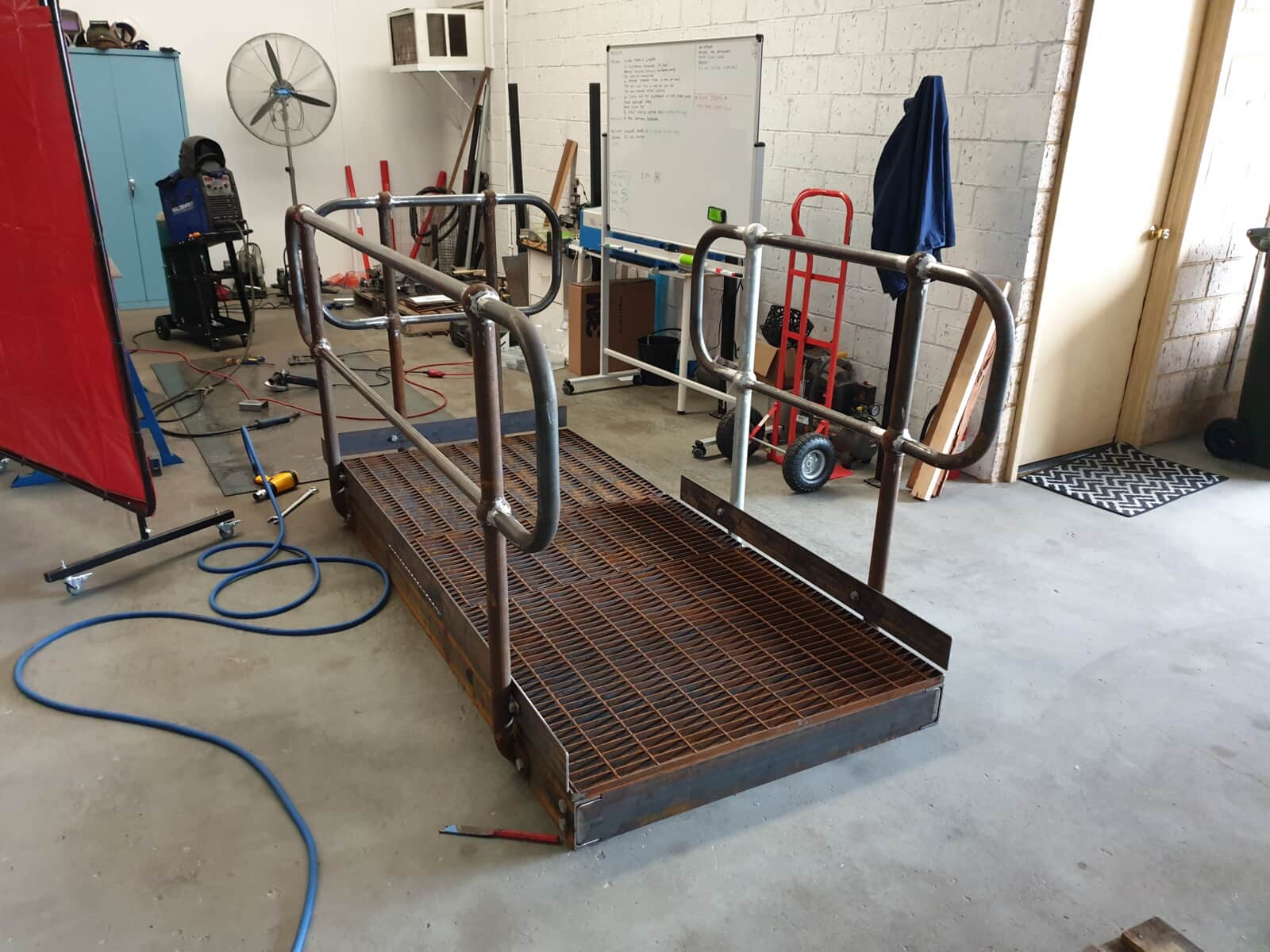
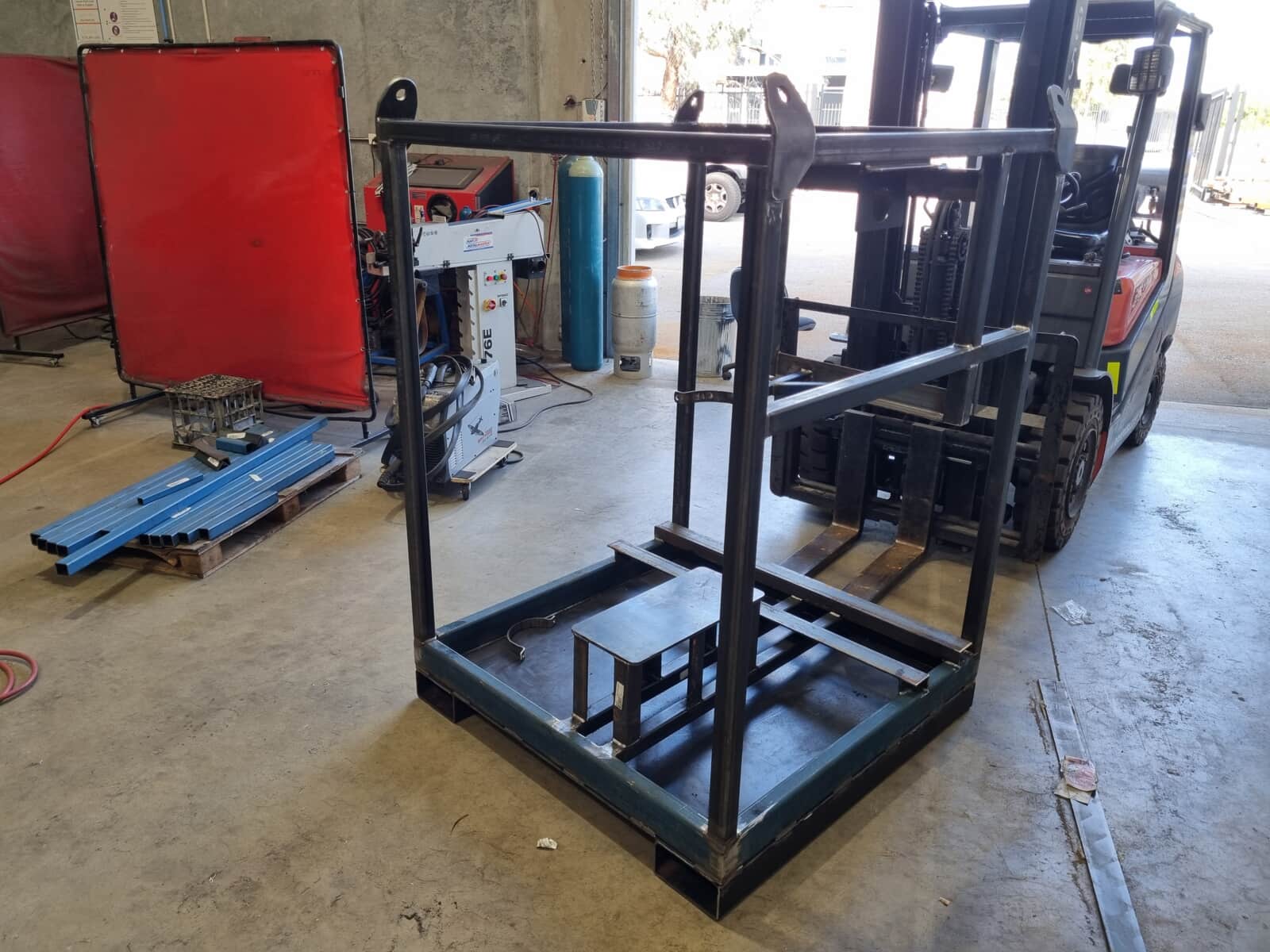
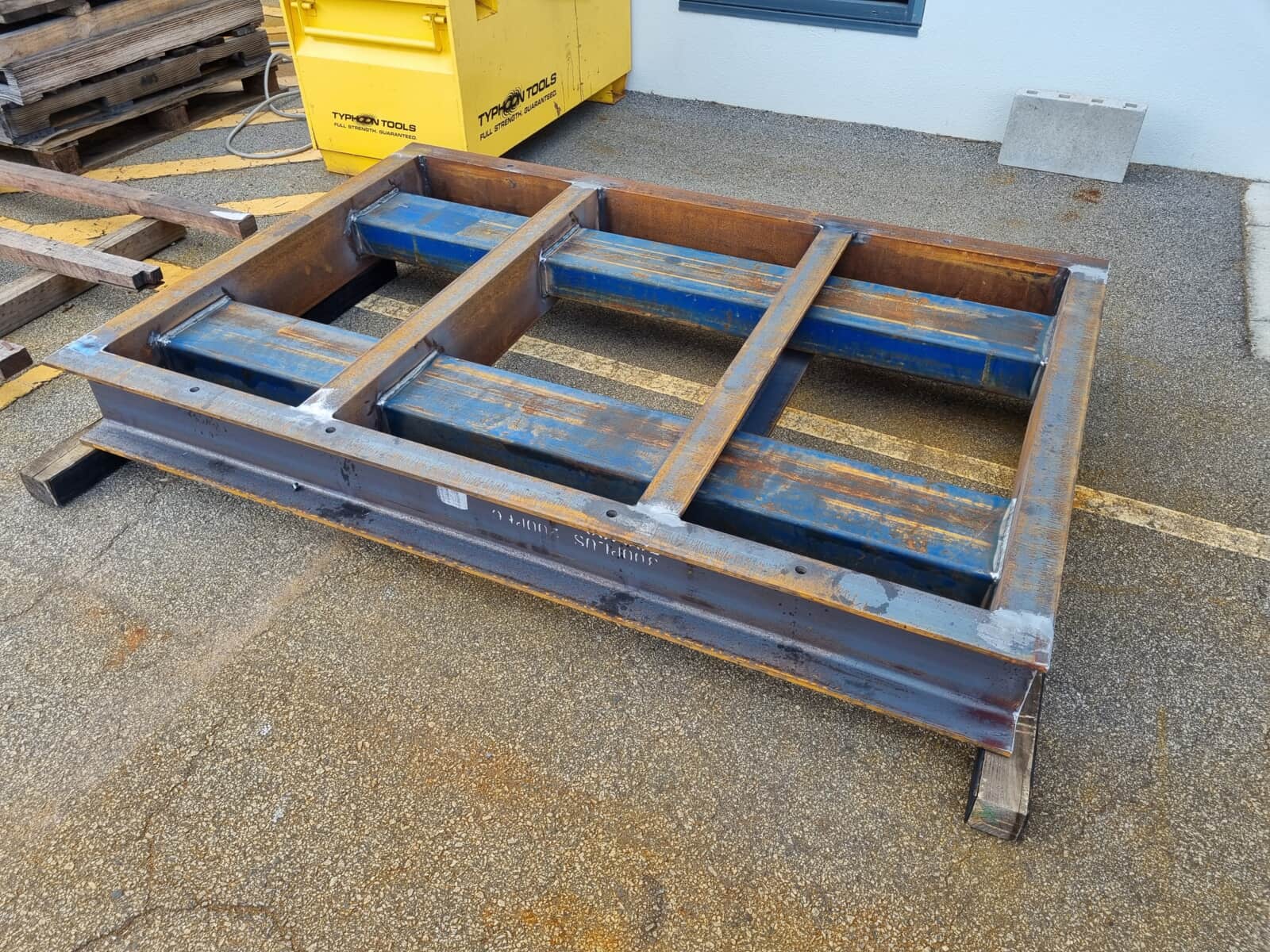
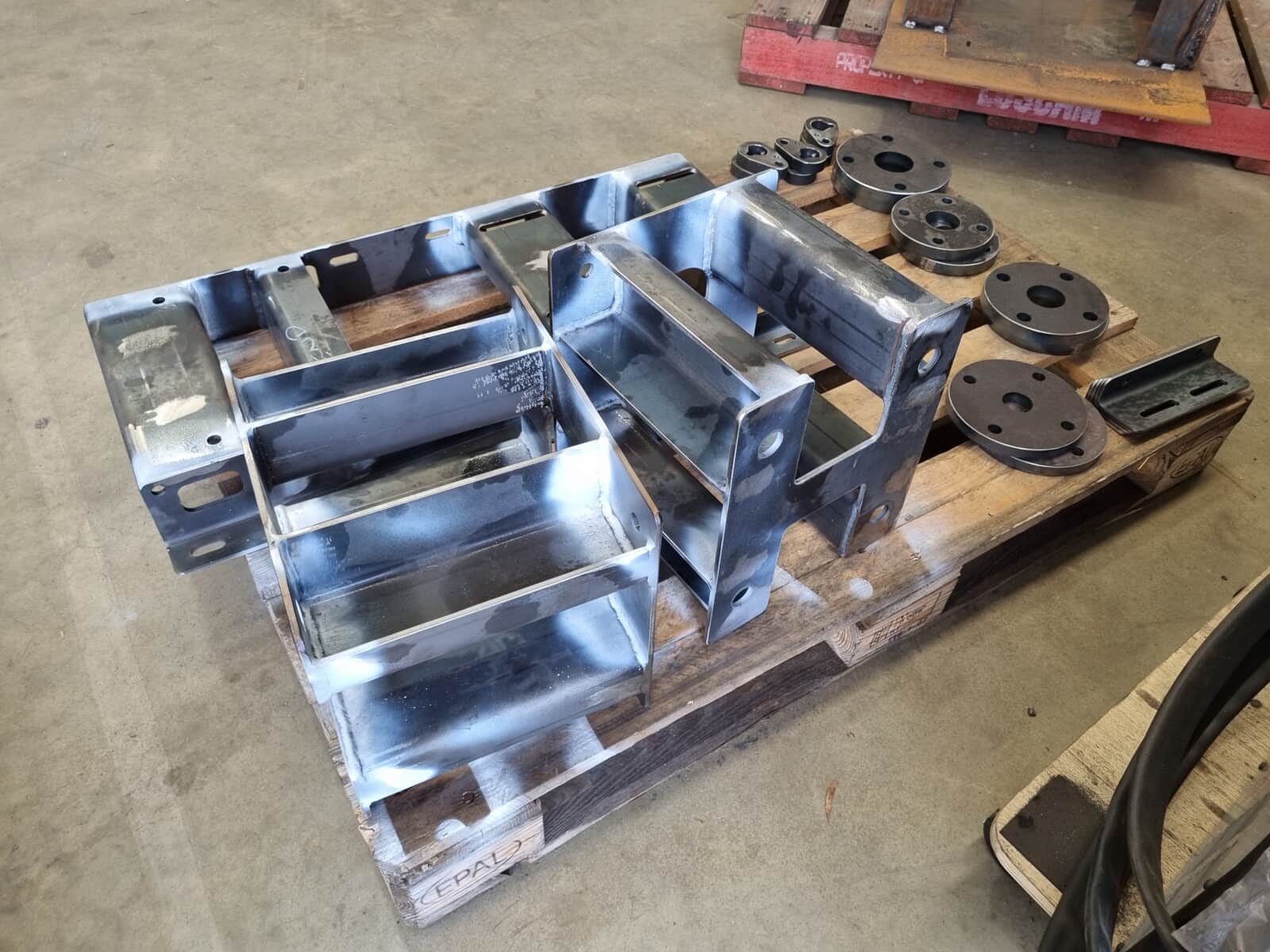
Fabricated rear access platform modules ready for installation
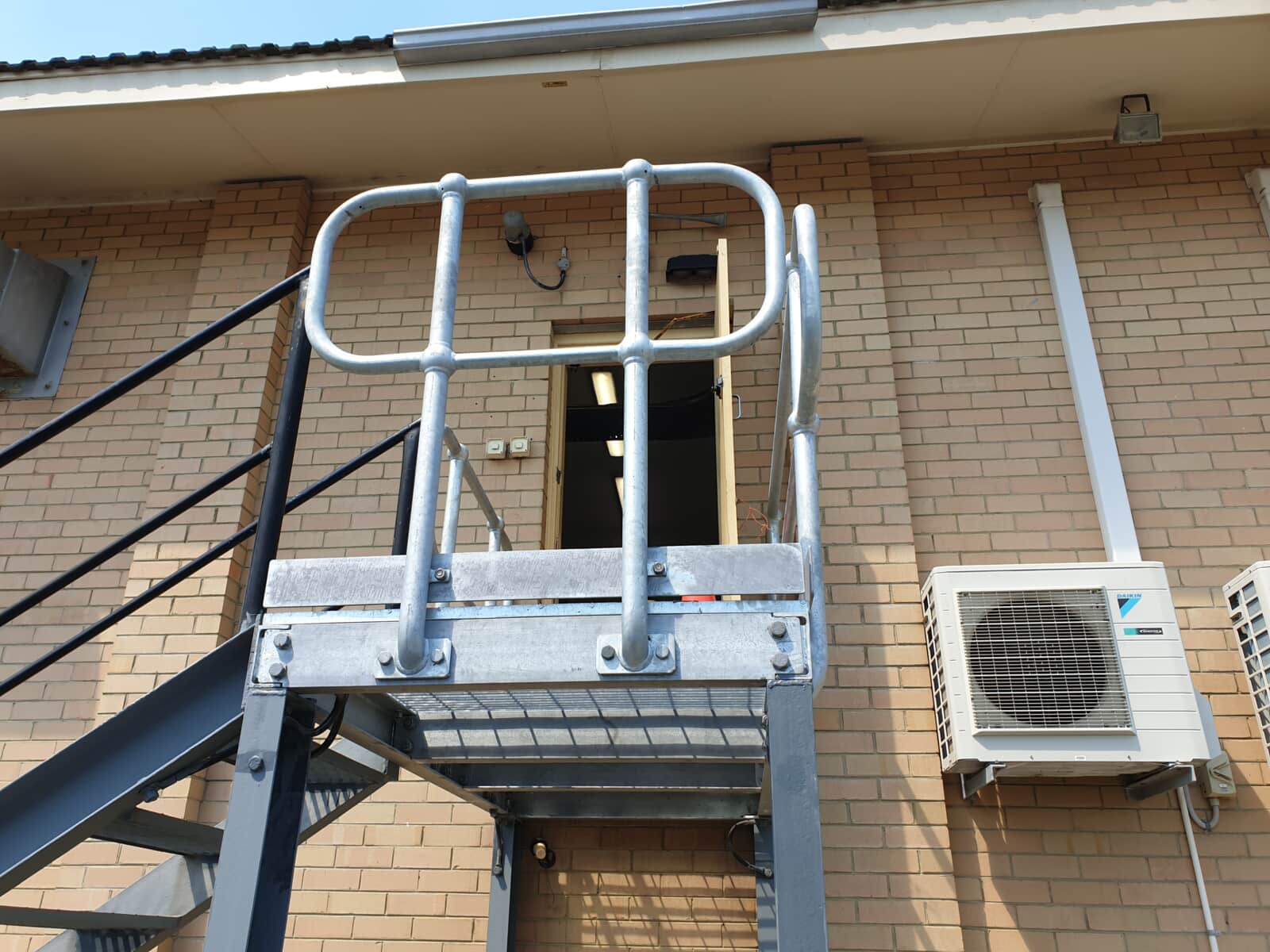
Completed modular platform installed at electrical substation - front view
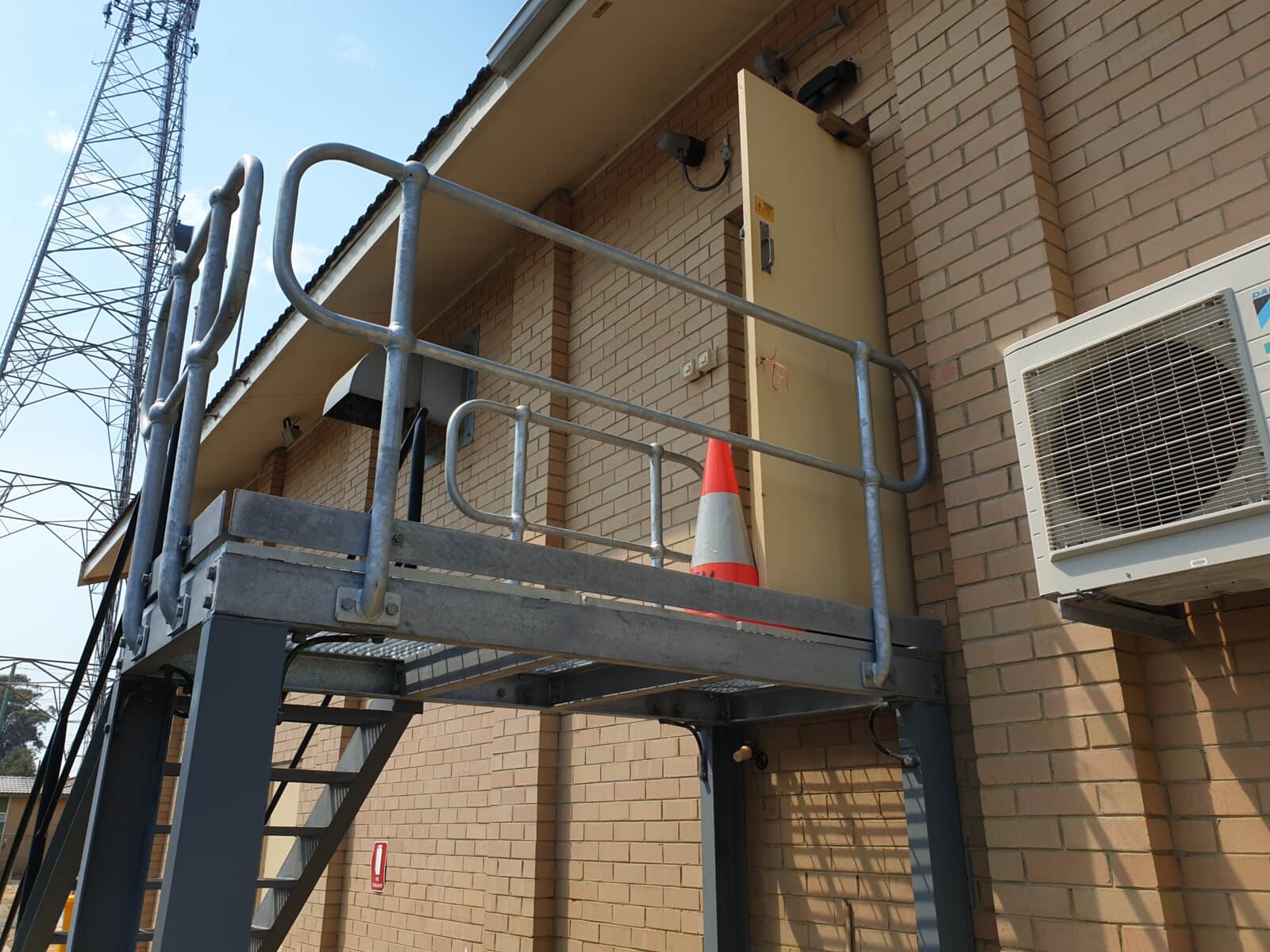
Installed rear access platform - side view showing modular construction
Project Details
- Location
- Perth, Western Australia, Australia
- Sector
- Electrical Infrastructure / Utilities
- Status
- Completed
- Project Value
- $$
- Completion Date
- October 2021
- Standards
- AS1657 - Fixed platforms, walkways, stairways and ladders AS1428 - Design for access and mobility WorkSafe WA requirements
Project Referee
Farhan Arif
Senior Project Engineer
Westforce Construction
Client Project Manager - Oversaw the modular platform design, fabrication and installation