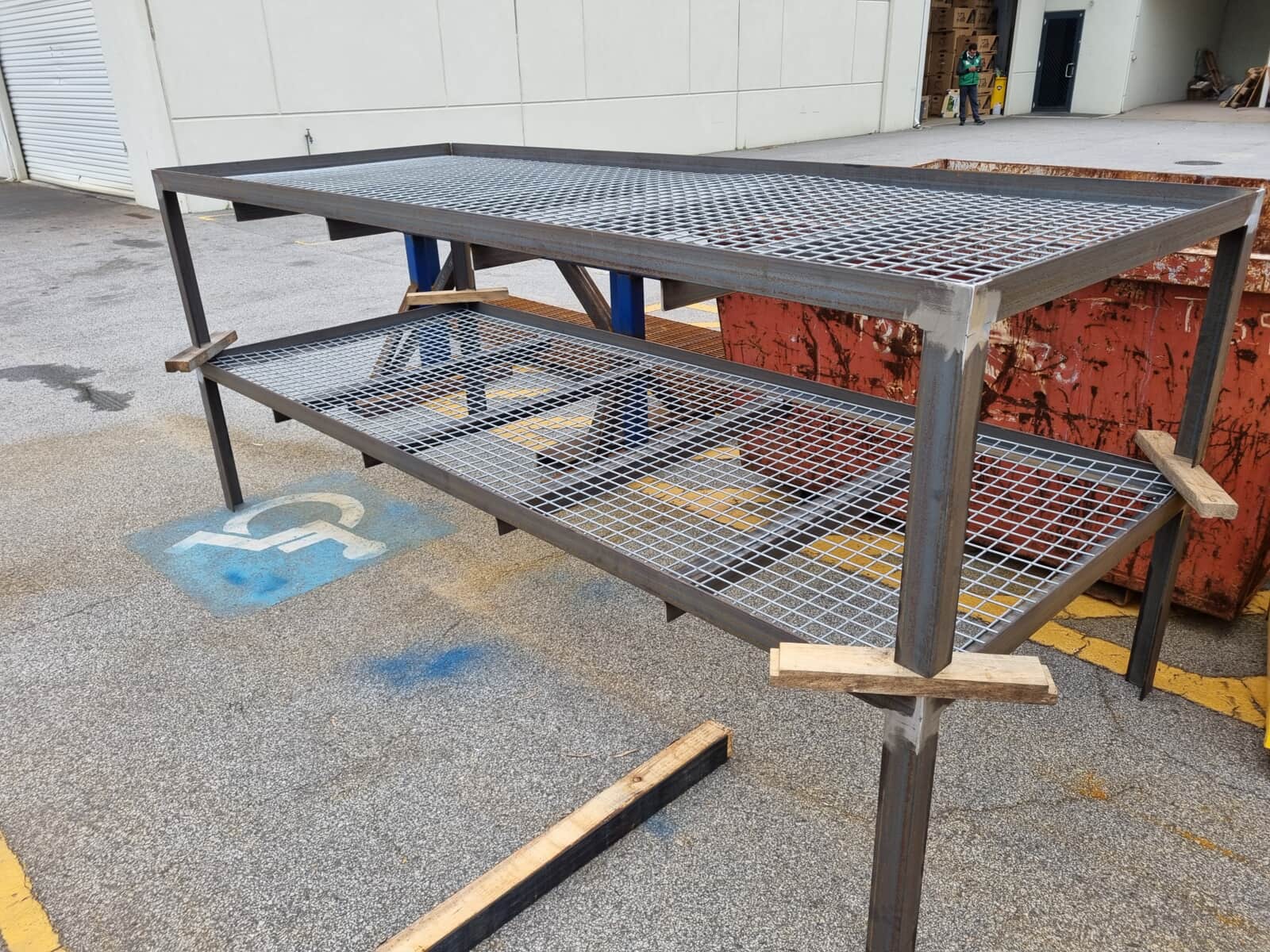
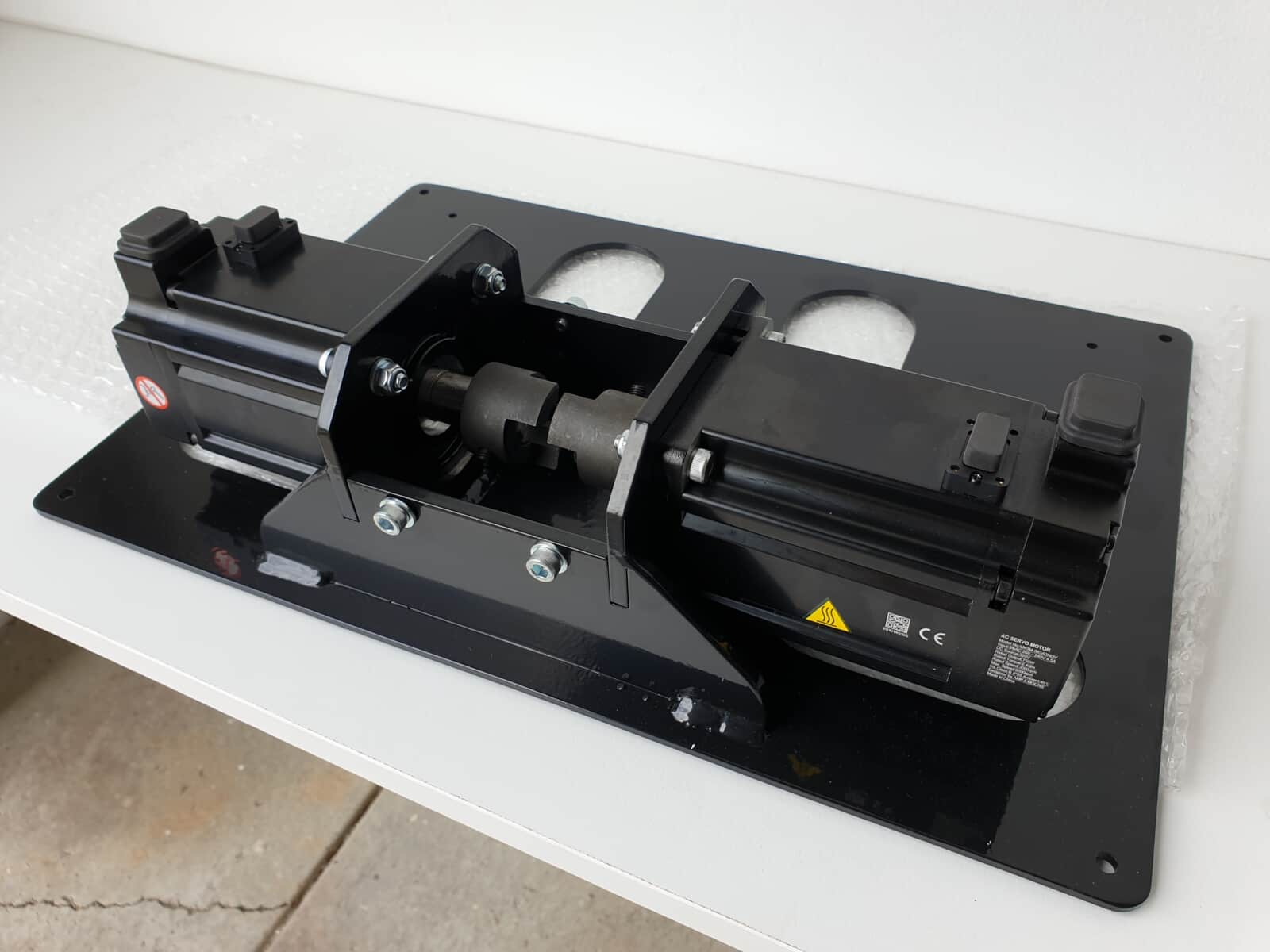
Custom Electronics Enclosures with Thermal Management
Project Summary
Heat kills electronics. That’s the brutal reality Vitruvian faced when they approached us about housing their circuit boards—they didn’t just need a protective box, they needed a sophisticated thermal management solution that would keep sensitive components running cool under continuous operation, preventing the performance throttling and premature failure that plague inadequately cooled systems. Modern circuit boards pack incredible computing power into remarkably small spaces, and all that concentrated power generates substantial heat that, without proper engineering, can accumulate to destructive levels within enclosed spaces.
We designed and fabricated custom sheet metal enclosures that combine protective housing with intelligent airflow engineering. The challenge wasn’t simply keeping dust out—anyone can build a sealed box. The real engineering challenge was managing the thermal loads that build up inside while maintaining easy access for maintenance and presenting the professional appearance that Vitruvian’s application demanded.
Engineering Intelligent Airflow
Creating effective thermal management starts with understanding exactly where heat accumulates. We worked closely with Vitruvian to map the heat-generating components on their boards—the processors, power regulators, and other elements that would need targeted cooling. This wasn’t a one-size-fits-all approach. Each enclosure was designed specifically for the electronics it would house, with cooling strategies tailored to the actual thermal profile of the installed components.
The cooling system we developed uses strategically positioned fans to create directed airflow across the circuit boards, but it’s far more sophisticated than simply moving air through the enclosure. We engineered specific airflow paths that channel cool air directly to the hottest components, preventing hot spots and ensuring even temperature distribution. Precision-positioned vent holes work in concert with the fans, creating intake and exhaust patterns that prevent hot air from recirculating—a common problem in poorly designed enclosures where heated air simply circulates internally without actually removing thermal energy from the system.
The result? A continuous flow of fresh air across critical components, maintaining stable temperatures even during peak operation.
We paid particular attention to the balance between intake and exhaust, because this balance is critical to cooling effectiveness. Too much intake without adequate exhaust creates pressure that reduces airflow efficiency and can actually impede cooling. Too much exhaust without sufficient intake starves the fans and creates turbulence that disrupts the designed airflow patterns. Our design achieves the optimal balance, ensuring smooth, efficient airflow that maximizes cooling effectiveness while minimizing fan noise and power consumption—important considerations for equipment that runs continuously in occupied spaces.
Precision Sheet Metal Fabrication
The enclosures themselves showcase precision sheet metal fabrication throughout every detail. We selected material thickness that provides structural rigidity without unnecessary weight, then used CNC cutting and bending to achieve exact dimensions that ensure proper fit and alignment of all components. Every vent hole is positioned precisely where the thermal analysis indicated it would be most effective—not approximately positioned, but exactly where the airflow modeling showed optimal performance. The fan mounting points are reinforced to prevent vibration transmission, keeping the enclosures quiet during operation and preventing the annoying resonance that can occur when fans are mounted to insufficiently rigid structures.
Access was another critical consideration that influenced the entire design. Electronics need periodic maintenance. Component replacement. Troubleshooting. We incorporated removable panels that provide easy access to the circuit boards without compromising the enclosure’s structural integrity or thermal performance—a balance that requires careful engineering to achieve. The panels seal properly when closed, maintaining the designed airflow patterns while allowing quick access when needed, and they’re secured with fasteners that technicians can operate quickly without specialized tools.
Cable management provisions ensure clean routing of power and data cables, preventing interference with airflow and making the interior organized and professional—important both for thermal performance and for the technicians who need to work inside these enclosures. Entry points are positioned to minimize cable runs while maintaining proper sealing around the cables themselves, preventing air leaks that would disrupt the carefully engineered airflow patterns.
Professional Finish and Durability
The powder coat finish serves multiple purposes beyond aesthetics. It provides excellent corrosion resistance, and our quality control processes ensure each enclosure meets specification before leaving the workshop—protecting the enclosures in various operating environments where moisture, dust, and industrial atmospheres can be particularly aggressive to bare metal. The finish is durable enough to withstand regular handling during maintenance without showing wear—important for equipment that will be accessed repeatedly over its service life. Most importantly, it presents the professional appearance that Vitruvian’s application demanded, because these enclosures look as sophisticated as the electronics they protect.
The thermal management system we created for Vitruvian demonstrates how thoughtful engineering can solve complex cooling challenges that would defeat simpler approaches. By combining computational airflow analysis with precision fabrication and strategic component placement, we delivered enclosures that keep their electronics running reliably at optimal temperatures, extending component lifespan and ensuring consistent performance. The targeted cooling approach means components stay within their ideal operating range—not just barely acceptable, but genuinely optimal for long-term reliability.
This project exemplifies our approach to specialized fabrication: understanding the real-world requirements, engineering solutions that address those specific needs, and executing with the precision that makes the design work as intended rather than merely looking good on paper. Whether it’s managing thermal loads in electronics enclosures or solving other complex fabrication challenges, we bring the same analytical approach and attention to detail that made this project successful.
Project Gallery
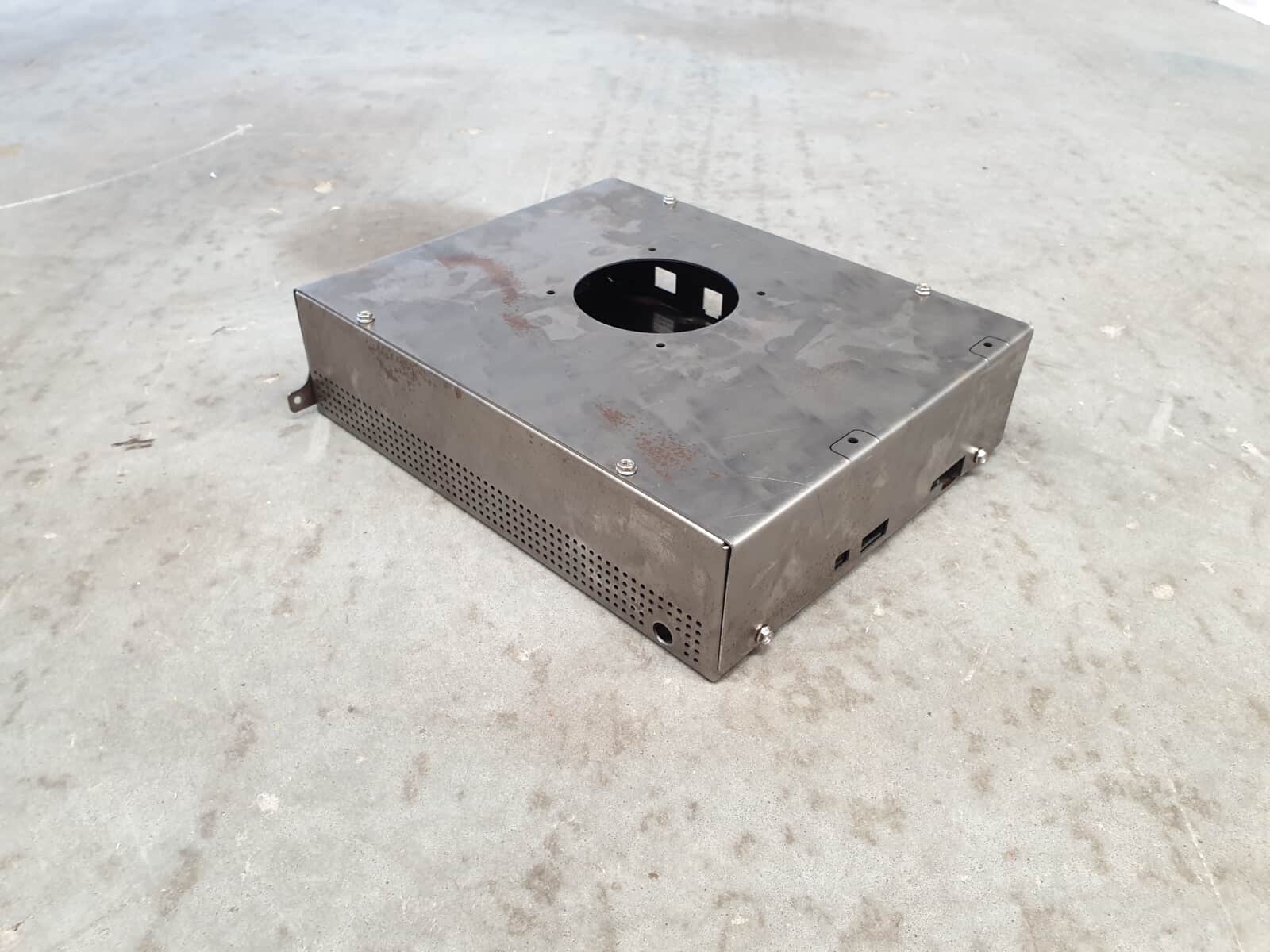
Completed electronics enclosure with integrated thermal management
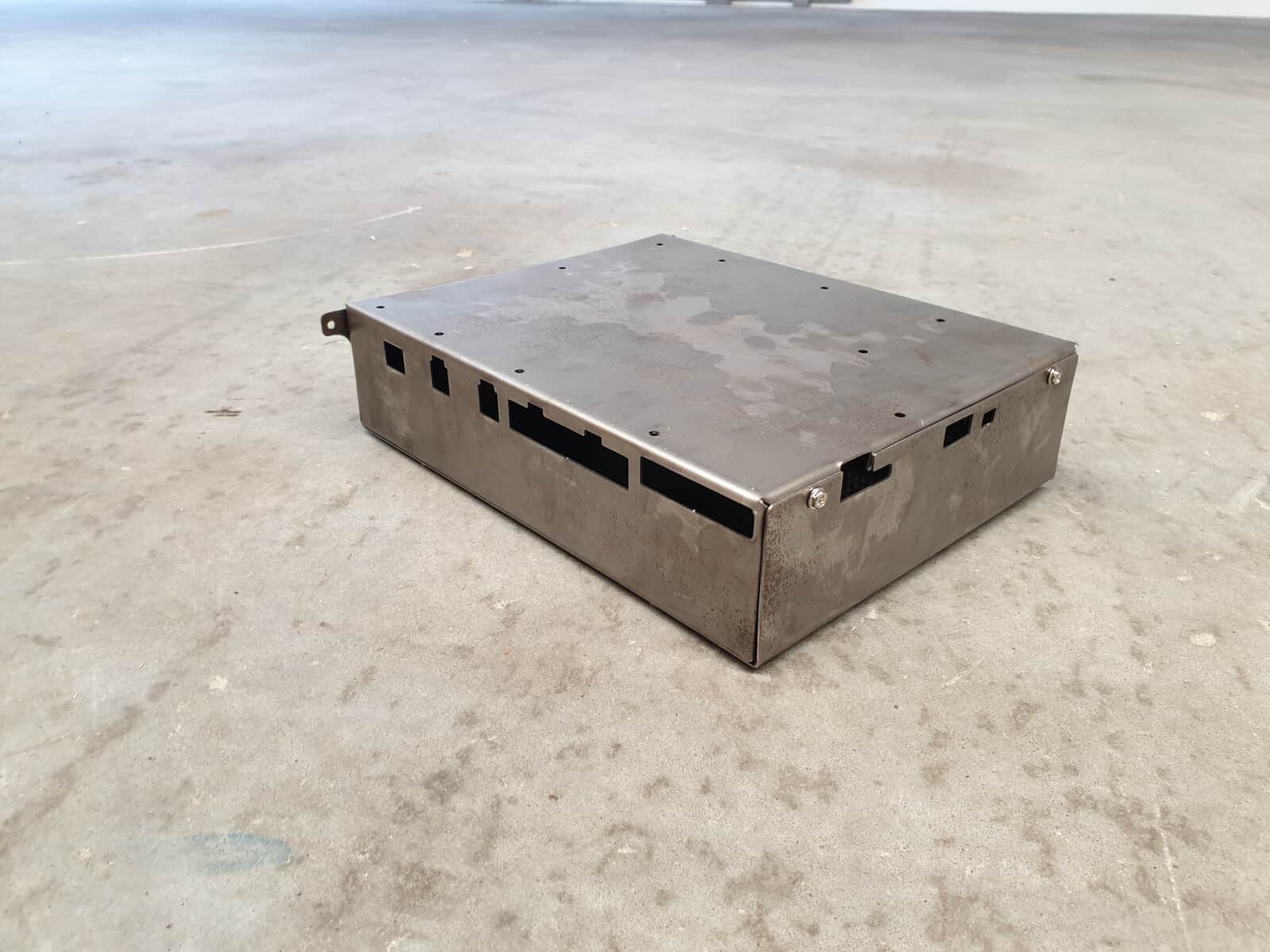
Front view of electronics enclosure with ventilation system
Project Details
- Location
- Perth, Western Australia, Australia
- Sector
- Electronics / Technology / Manufacturing
- Status
- Completed
- Project Value
- $
- Completion Date
- October 2020
- Standards
- Electronics enclosure standards Thermal management best practices