Cast-In Angles for Electrical Substation Infrastructure
Project Summary
Cast-in angles might not be the most visible components in a substation. But they’re among the most critical. These structural steel fabrication elements get embedded in concrete during construction, creating permanent mounting points and structural supports that will serve the facility for decades—potentially outlasting most of the equipment they support. When our client needed 40 linear meters of cast-in angles for an electrical substation project, the requirements were exacting—every dimension had to be precise, every hole had to be positioned exactly, and the timing had to align perfectly with the concrete pour schedule, because concrete waits for no one.
This type of fabrication work demands a different kind of precision than typical structural steel projects where field adjustments can compensate for minor errors. Once these angles are embedded in concrete, there’s no opportunity for adjustment or correction. If a mounting hole is positioned incorrectly by even a few millimeters, equipment won’t align properly during installation months later. If the angles aren’t cut to exact length, they won’t fit the formwork correctly. The fabrication needs to be right the first time. Period. Because concrete doesn’t offer second chances, and mistakes become permanent parts of the structure.
Understanding Cast-In Infrastructure
Cast-in angles serve as the permanent interface between concrete structures and the equipment that will be mounted to them—a critical function that’s easy to underestimate until you consider the consequences of failure. In substations, these angles provide mounting points for electrical equipment, cable trays, conduit supports, and various other infrastructure components that need secure attachment to concrete structures. The angles need to be positioned precisely during concrete pours so that when equipment arrives for installation months or years later, the mounting holes align perfectly with equipment mounting patterns that were designed long before the concrete was poured.
The challenge extends beyond simple fabrication. Cast-in angles need to be manufactured to exact specifications, delivered on schedule to coordinate with concrete pours that can’t be delayed, and supported during installation to ensure they maintain correct position while concrete is placed around them—a process where things can shift if not properly secured. The surface preparation needs to ensure proper bonding with the concrete while protecting the steel from corrosion that would compromise the embedded connection. The mounting holes need to be positioned with precision that accounts for the tolerances of the equipment that will eventually be mounted, because equipment manufacturers don’t design their products to accommodate sloppy fabrication.
The facility specifications for these components reflect decades of experience with substation construction and the lessons learned from both successes and failures. The specifications define steel grades, dimensional tolerances, hole positioning accuracy, surface preparation requirements, and quality documentation standards that ensure components will perform as intended. Meeting these specifications requires understanding not just how to fabricate steel, but how these components function within the larger infrastructure system and what happens if they fail to perform correctly.
Precision Manufacturing Process
We started with detailed review of the project specifications and construction drawings—documents that contained the accumulated knowledge of decades of substation construction. The drawings showed exactly where each cast-in angle would be positioned in the concrete structure, what equipment would eventually mount to it, and what loads it would need to support throughout its service life. This information guided every aspect of the fabrication process, from material selection through final inspection.
Material selection came first. The steel grade needed to meet structural requirements while being compatible with concrete embedment—not all steel grades work well when embedded in concrete, and choosing the wrong grade can lead to corrosion or bonding problems. We verified material certifications to ensure compliance with specifications, because accepting material on faith rather than verification is how problems start. The steel arrived in standard lengths that we cut to exact dimensions specified in the drawings. These cuts needed to be precise—not just close, but exact—because the angles needed to fit the formwork correctly and align with other structural elements that were being positioned simultaneously.
Hole drilling required particular attention and precision that goes beyond typical fabrication work. Each mounting hole was positioned according to the drawings, with tolerances measured in millimeters rather than the larger tolerances acceptable in many fabrication applications. We used precision drilling equipment and verified hole positions throughout the process, because discovering positioning errors after fabrication is complete means scrapping components and starting over. The holes needed to align with equipment mounting patterns that would be used during installation, sometimes months after the concrete was poured, and there’s no way to adjust hole positions once the angles are embedded in concrete.
Surface preparation involved cleaning and coating the steel to ensure proper bonding with concrete while providing corrosion protection that would last throughout the structure’s life. The coating needed to be compatible with concrete—some coatings can interfere with the bond between steel and concrete, which would compromise the structural integrity of the embedded connection and potentially lead to failure under load. We followed the project specifications for surface treatment, ensuring the angles would perform correctly once embedded rather than creating problems that wouldn’t be discovered until equipment installation revealed the issues.
Quality Control and Documentation
Cast-in angle fabrication requires rigorous quality control because errors can’t be corrected after concrete placement—they become permanent problems embedded in the structure. We verified dimensions throughout the fabrication process, checking lengths, hole positions, and angles against the specifications at multiple stages rather than waiting until completion to discover problems. Each component was inspected before leaving our facility to ensure it met all requirements, because sending non-conforming components to the site creates delays and costs that far exceed the time required for proper inspection during fabrication.
Documentation is equally important in infrastructure work. Electrical infrastructure projects require material certifications, dimensional verification records, and quality control documentation for infrastructure components—not as bureaucratic paperwork, but as essential records that prove components meet specifications. Our welding consulting and AS1554 compliance processes underpin this documentation trail. This documentation becomes part of the permanent facility records, providing traceability and verification that components meet specifications if questions arise years later. We provided complete documentation packages with the fabricated angles, supporting the project’s quality assurance requirements and creating the paper trail that infrastructure projects demand.
The delivery schedule needed to align with the concrete pour schedule, because cast-in angles need to be on-site when formwork is ready, but not so early that they become obstacles or require extended storage that could lead to damage or corrosion. We coordinated delivery timing with our client to ensure the angles arrived when needed for installation, supporting the construction schedule rather than creating delays.
Installation Support and Coordination
Our involvement extended beyond fabrication and delivery, because successful cast-in angle installation requires more than just delivering components to the site. Cast-in angles need to be positioned accurately in formwork and held securely during concrete placement—a process where things can shift if not properly secured. We provided technical support during installation, helping ensure the angles were positioned correctly and remained in place during the concrete pour, because our expertise in fabricating these components translates to understanding how they need to be installed.
The concrete pour itself is a critical phase where careful planning can be undone by careless execution. The angles need to maintain their position as concrete flows around them, which requires proper bracing and support. The concrete needs to fully encapsulate the angles without creating voids that could compromise structural performance or allow moisture to reach the steel. Proper installation ensures the angles will provide the secure mounting points and structural support they’re designed to deliver throughout the facility’s operational life.
Long-Term Infrastructure Foundation
The cast-in angles we fabricated for this electrical substation will serve the facility throughout its operational life, which for utility infrastructure can span many decades. They’ll provide secure mounting points for equipment. Support cable management systems. Contribute to the structural integrity of the facility. The precision we built into these components during fabrication ensures they’ll perform their intended function reliably for decades, supporting equipment installations and modifications that haven’t even been planned yet.
This type of work—precision fabrication of infrastructure components that become permanent parts of critical facilities—requires a different mindset than typical fabrication projects where field adjustments can compensate for errors. There’s no opportunity for field adjustment or correction once concrete is poured. The work needs to be right from the start, meeting exacting specifications and coordinating with construction schedules that can’t accommodate delays. The 40 linear meters of cast-in angles we delivered for this project demonstrate our capability to meet these demanding requirements, providing infrastructure components that will support reliable substation operation for generations.
Project Gallery
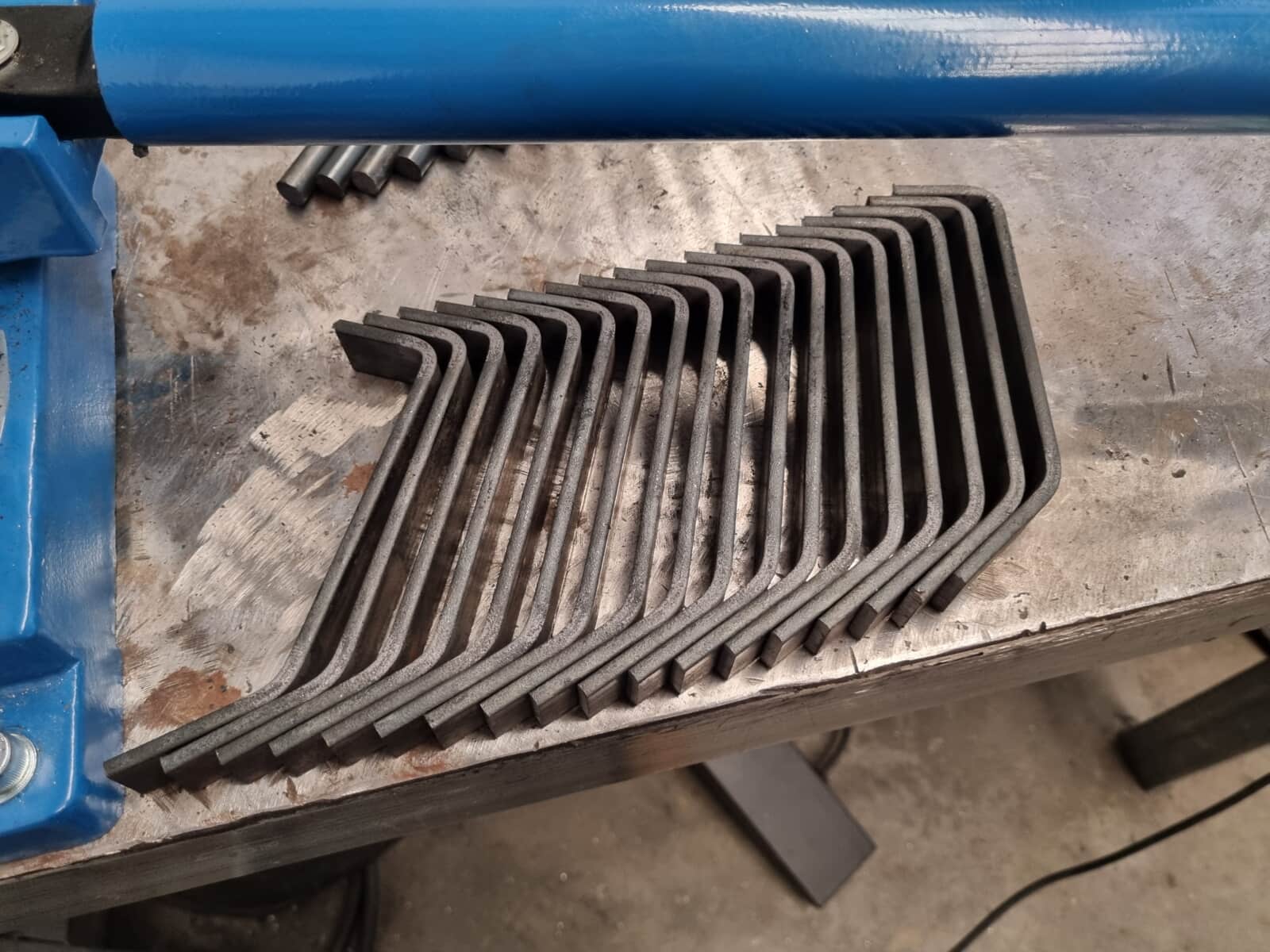
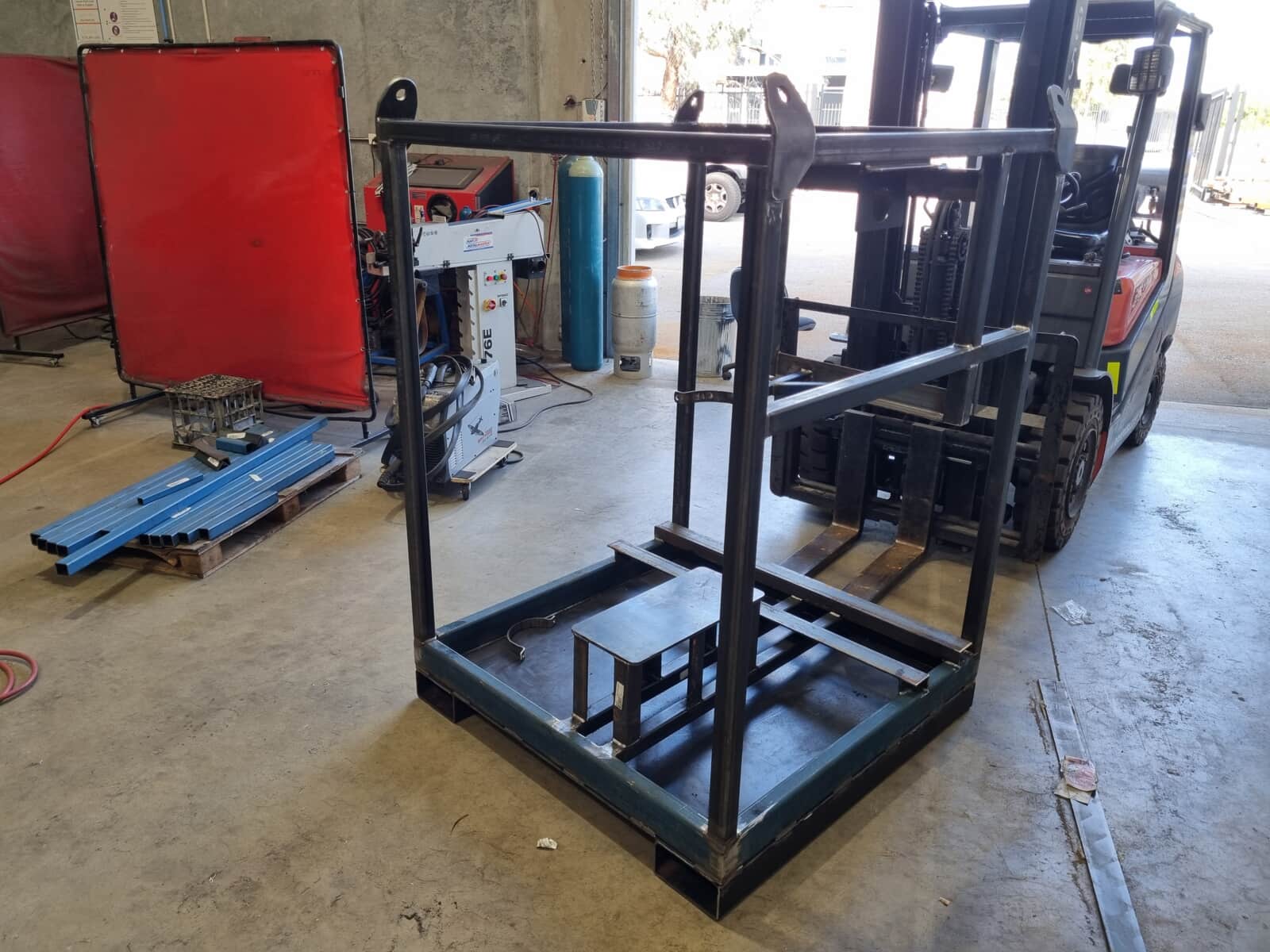
Precision fabrication of cast-in angles showing bending and preparation
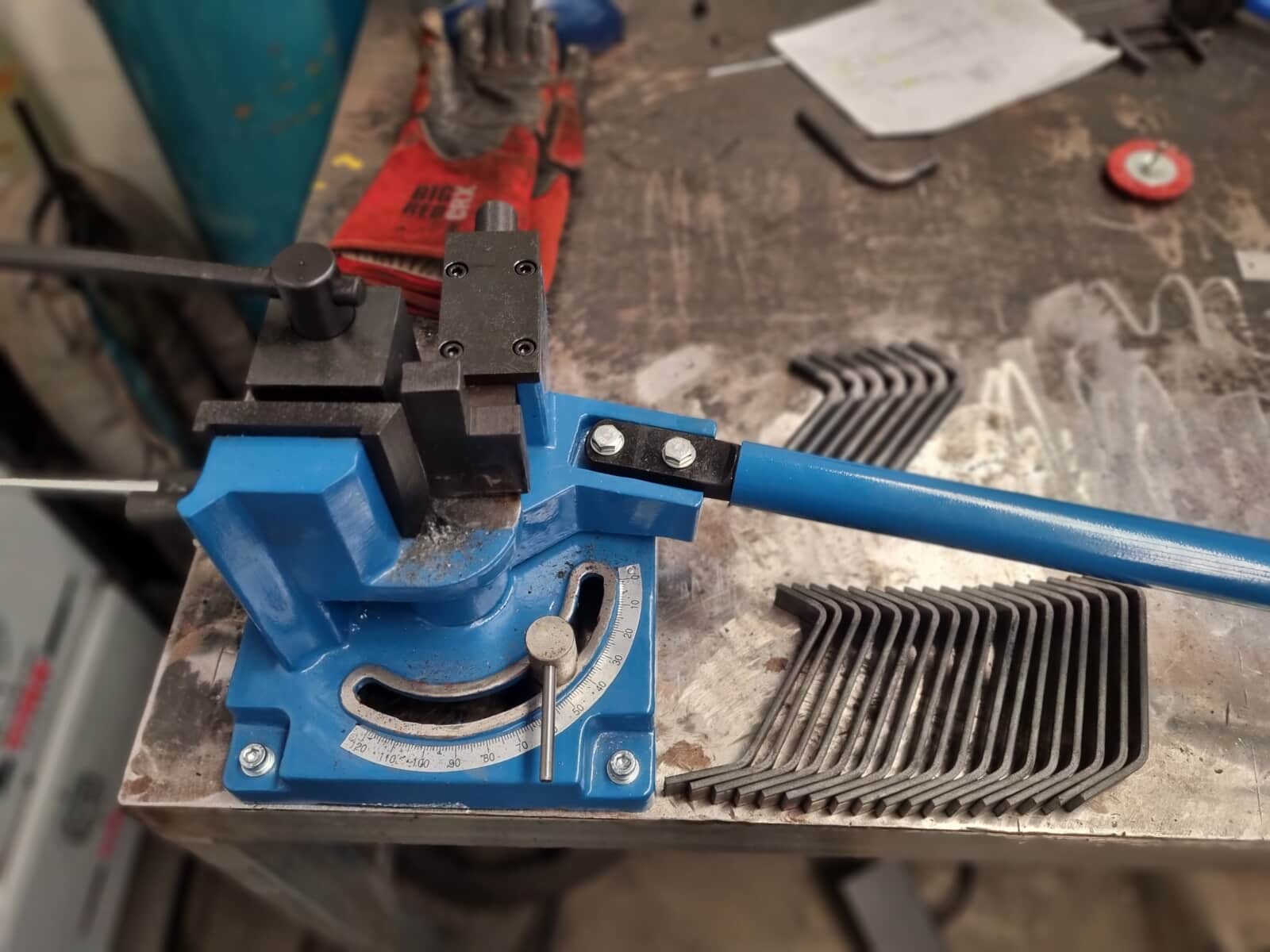
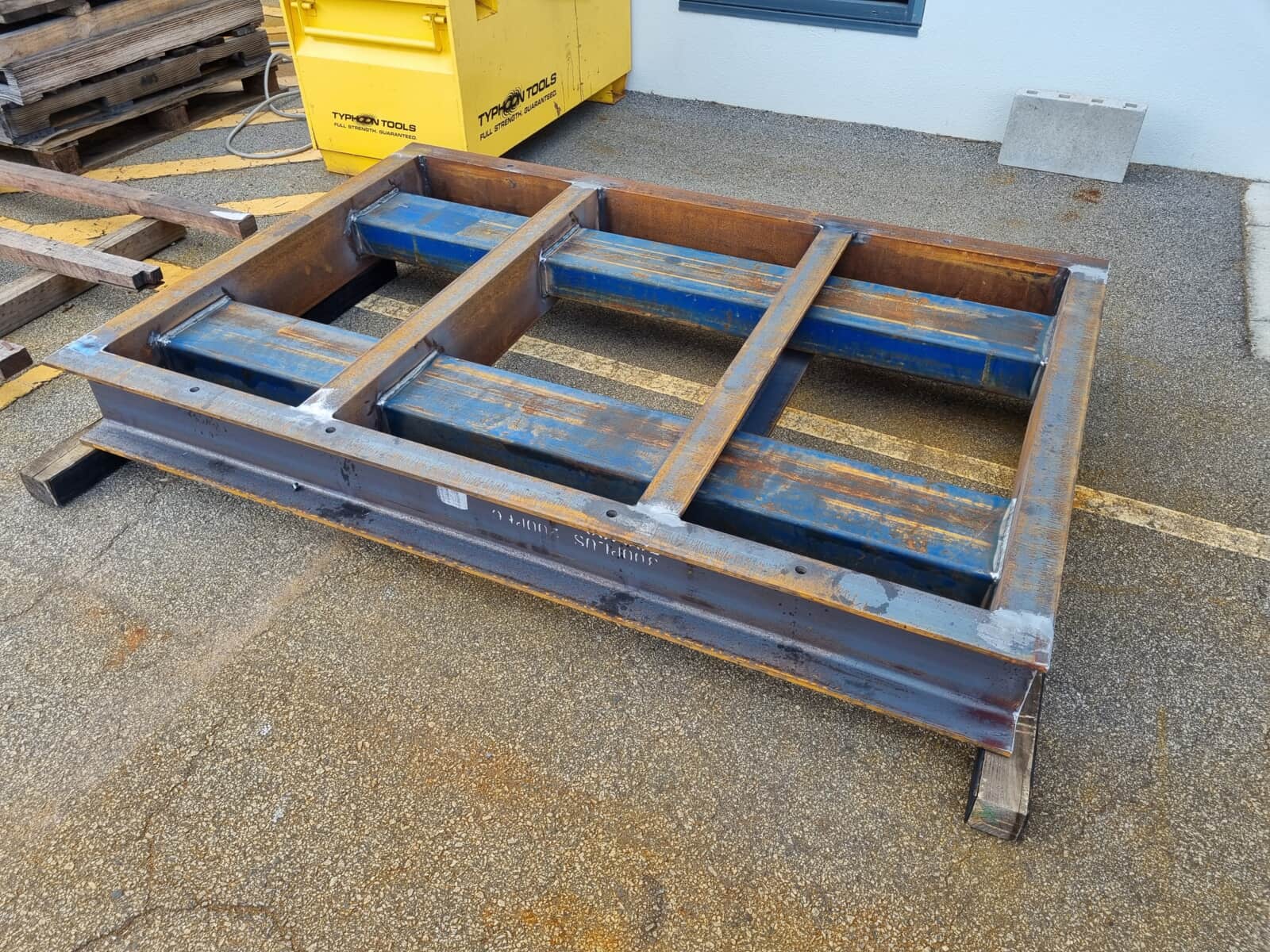
Cast-in angle bending process showing precision work
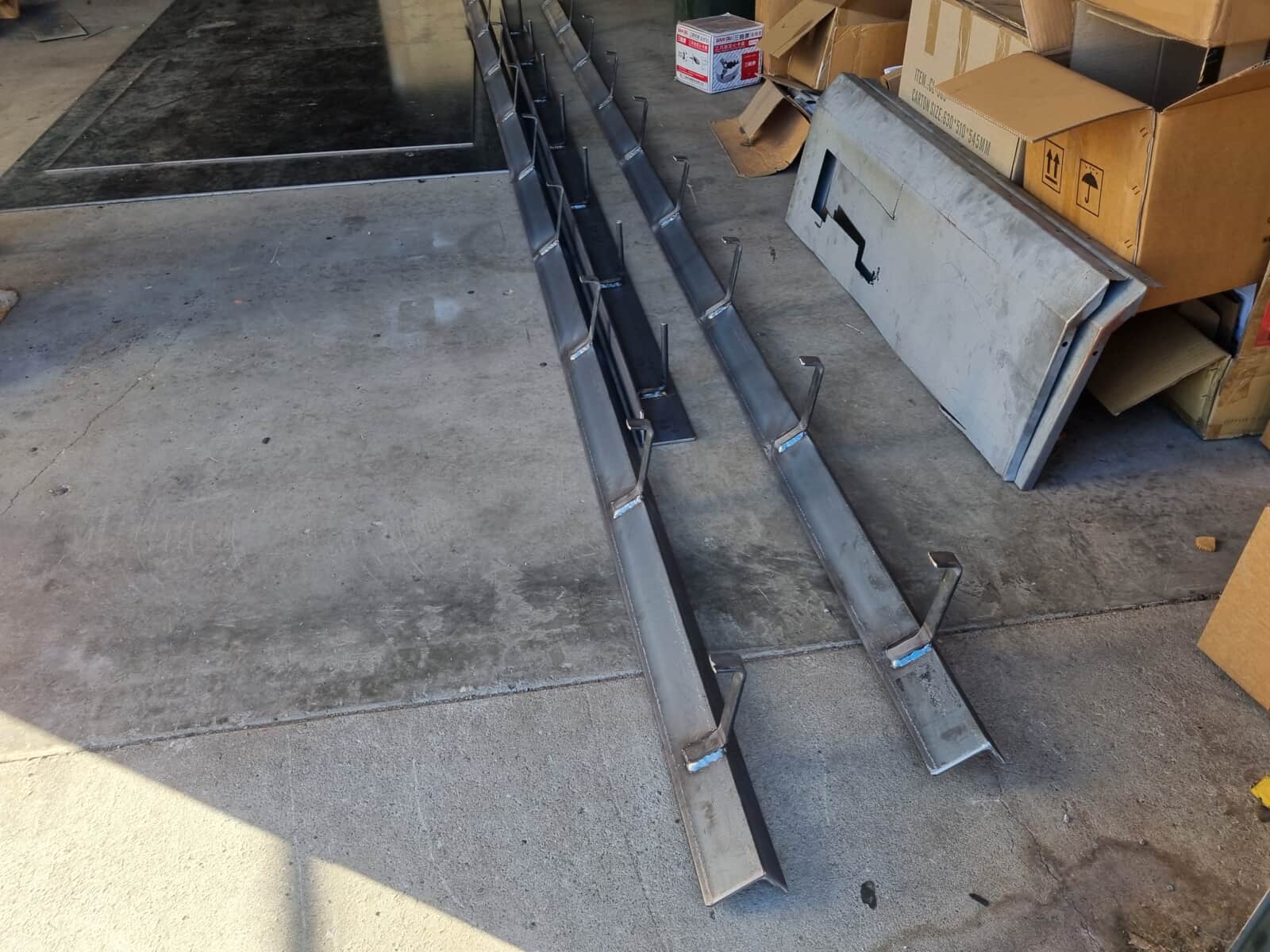
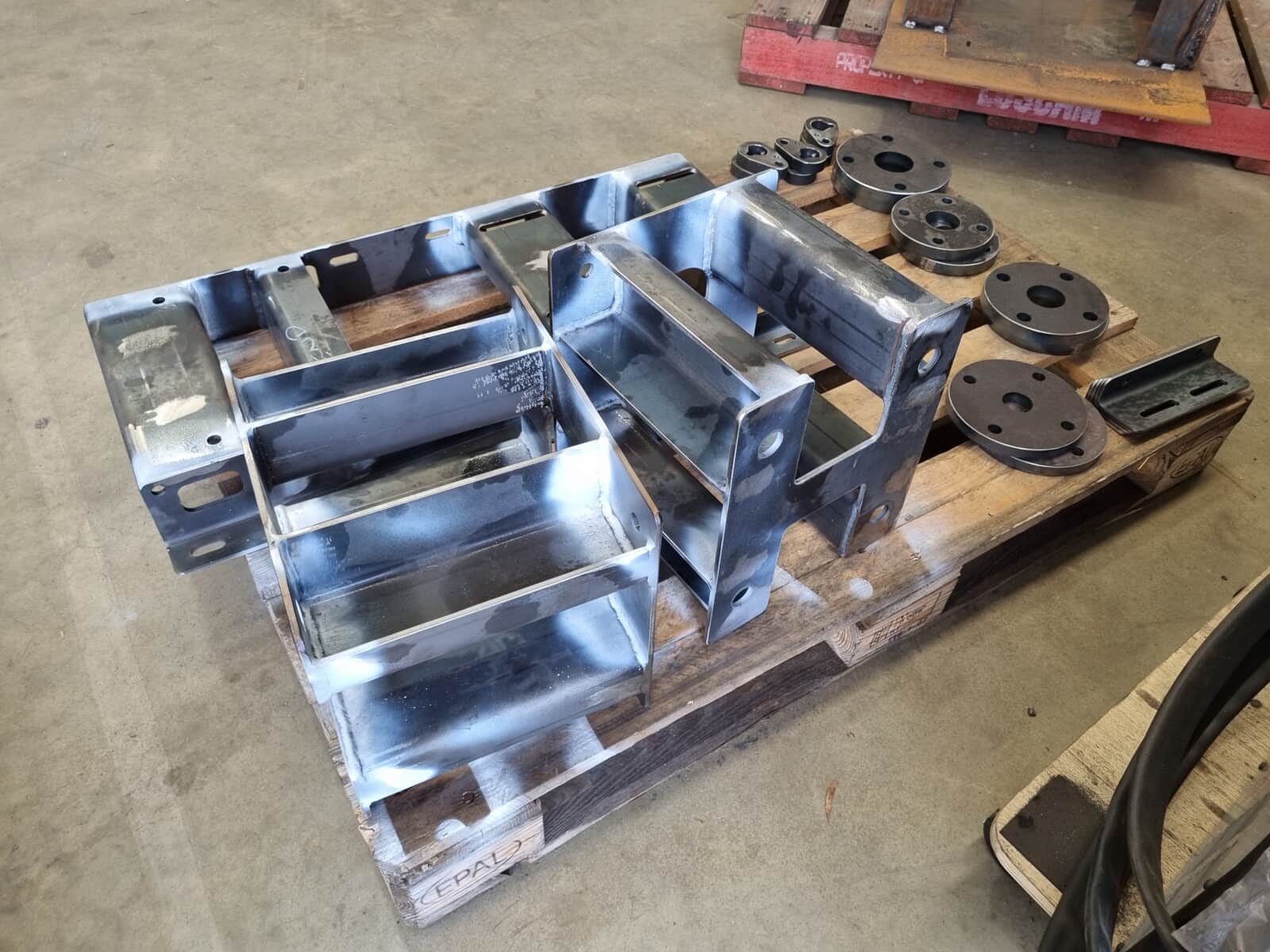
Completed cast-in angles ready for installation
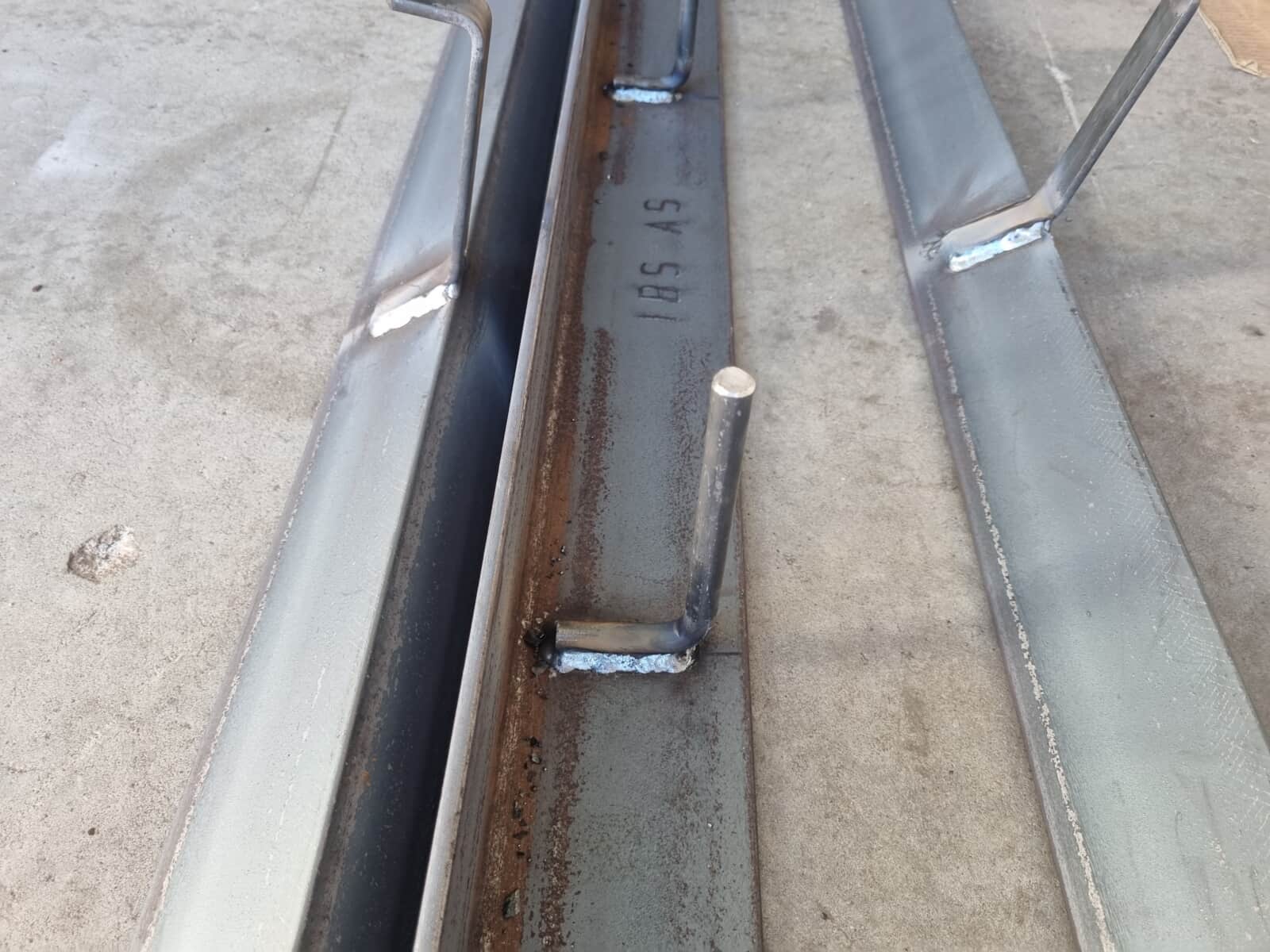
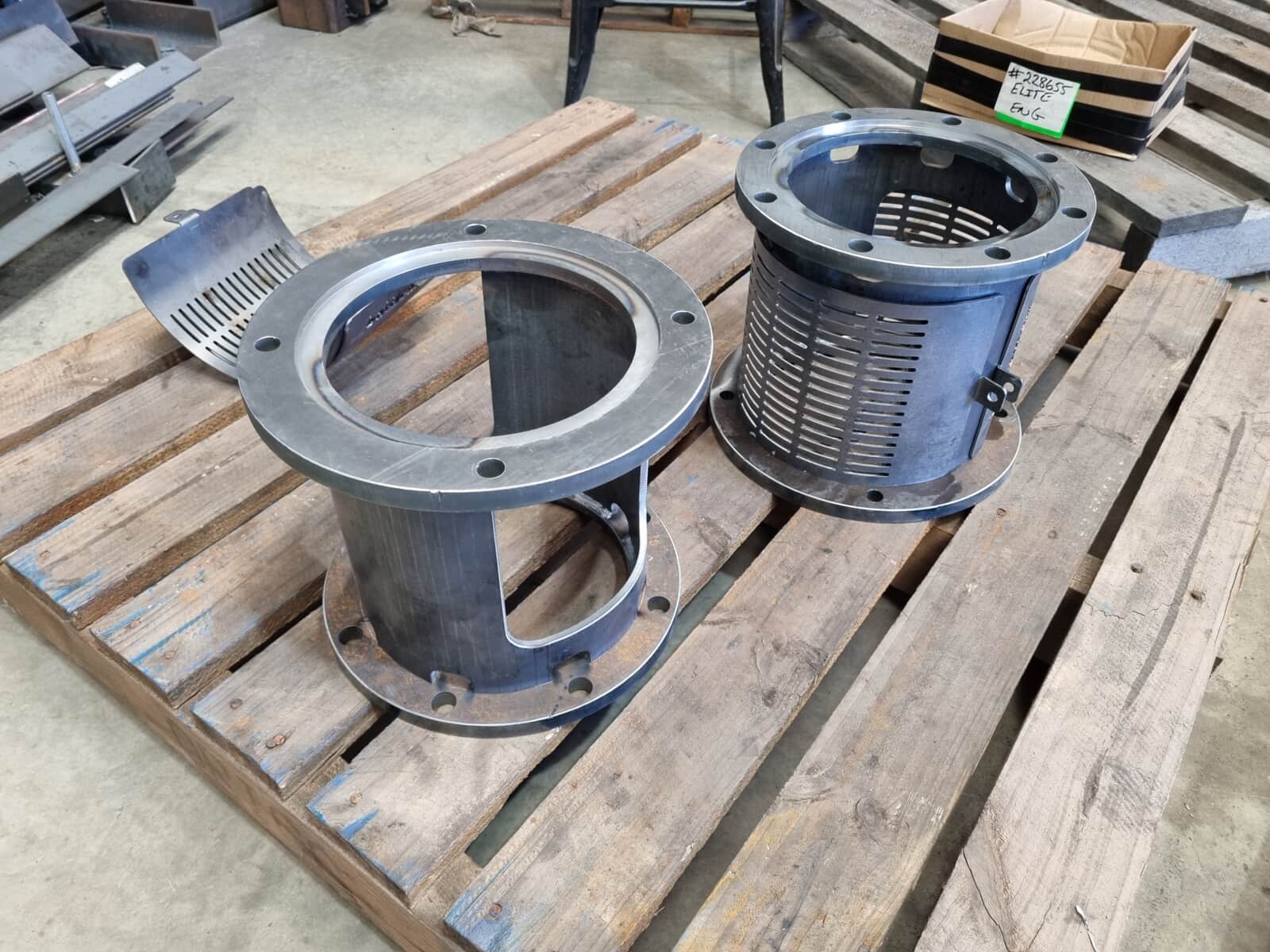
Welded cast-in angle assemblies showing quality fabrication
Project Details
- Location
- Perth, Western Australia, Australia
- Sector
- Electrical Infrastructure / Utilities
- Status
- Completed
- Project Value
- $$$
- Completion Date
- March 2024
- Standards
- Electrical infrastructure technical specifications Structural steel fabrication standards Electrical infrastructure requirements
Project Referee
Farhan Arif
Senior Project Engineer
Westforce Construction
Client Project Manager - Oversaw the cast-in angle fabrication and installation project