Custom Blasting Tables
Project Summary
Surface treatment facilities operate in environments that destroy ordinary equipment. Abrasive blasting creates conditions where dust, debris, and high-velocity particles constantly bombard every surface—not occasionally, but continuously throughout operations. When Quality Blast and Paint needed work tables for their blasting operations, they required more than standard industrial tables that you’d find in a typical workshop. They needed equipment engineered specifically for the punishment of continuous abrasive exposure where materials that would last years in normal service might fail in months under blasting conditions.
These tables aren’t furniture. They’re specialized industrial equipment designed for a specific, demanding application where form follows function and durability trumps aesthetics. Components being prepared for coating need to be positioned securely during blasting—not just placed, but held stable under the forces generated by high-pressure abrasive streams that can move lighter objects. The tables need to support various sizes and weights while remaining stable under the forces generated by high-pressure abrasive streams. They need to be cleanable despite constant exposure to blasting media that accumulates in every crevice. Most importantly, they need to maintain their structural integrity and functionality through years of daily use in conditions that would quickly degrade conventional equipment into scrap metal.
Understanding the Blasting Environment
Abrasive blasting facilities are among the harshest environments for equipment anywhere in industrial operations. High-velocity abrasive media—sand, steel shot, aluminum oxide, or other materials depending on the application—constantly impacts surfaces at velocities that can strip paint, remove rust, and etch steel. The media ricochets off components being blasted, striking everything nearby with enough force to cause wear. Dust from the blasting process fills the air and settles on all surfaces like a gritty blanket. The work is continuous, with components being positioned, blasted, and removed throughout the day in a cycle that never really stops.
Work tables in this environment serve as positioning surfaces where components are placed for blasting—simple function, harsh conditions. The tables need to be at appropriate heights for operators to work comfortably without excessive bending or reaching. They need to support components securely without shifting or vibrating during blasting operations that generate significant forces. The surface needs to allow operators to position components at various angles and orientations for complete surface coverage. After blasting, the tables need to be cleanable to remove accumulated media and debris that would otherwise build up and interfere with operations.
The challenge is creating tables that fulfill these functional requirements while surviving the abrasive environment that destroys materials through continuous wear. Thin materials wear through quickly—sometimes in months rather than years. Weak structures fail under repeated impacts that fatigue materials. Complex designs with crevices and joints accumulate media that’s difficult to remove and creates ongoing maintenance burdens. The tables needed to be engineered specifically for this application, not adapted from general-purpose designs that weren’t intended for such harsh service.
Heavy-Duty Construction Engineering
We fabricated the tables with robust steel frames. Stability. Durability. The frame members are sized to provide rigid support without excessive weight that would make the tables difficult to move when necessary. The structure resists vibration and movement when components are positioned or when blasting forces are applied—important because unstable tables create safety hazards and make precise work difficult. The base design creates a stable platform that won’t tip or shift during operations even when components are positioned off-center or when forces are applied at angles.
The work surface is constructed from durable materials that can withstand abrasive exposure measured in years rather than months. We selected materials and thicknesses appropriate for the wear they’ll experience based on understanding how abrasive media behaves and where wear concentrates. The surface is smooth enough for positioning components but textured enough to prevent slipping that could cause components to shift during blasting. The design facilitates drainage and cleaning—accumulated media needs to be removed regularly, and the table design makes this practical rather than a time-consuming chore that operators avoid.
Reinforcement is positioned in high-wear areas where abrasive exposure will be most intense based on typical blasting patterns. These aren’t arbitrary additions that add weight without purpose—they’re engineered responses to the specific wear patterns that occur in blasting operations where certain areas receive more exposure than others. The reinforcement extends the table’s service life without creating complexity that would make cleaning difficult or create additional surfaces where media could accumulate.
The welding throughout meets AS/NZS 1554 standards. Structural integrity. Reliability. In equipment that experiences constant vibration and impact, weld quality isn’t just about initial strength—it’s about fatigue resistance and long-term reliability under cyclic loading. Every weld is sound. Every connection is properly designed. Every joint is engineered to handle the stresses it will encounter without developing cracks or failures that would compromise the table’s integrity.
Practical Operational Design
The tables are sized appropriately for Quality Blast and Paint’s operations and the components they typically process—not oversized, not undersized, but matched to actual requirements. The height is appropriate for operators working at the tables throughout the day without excessive fatigue from poor ergonomics. The surface area accommodates the range of component sizes they handle without wasting space or creating tables that are too small for larger components. The structure provides access from multiple sides, allowing operators to position components efficiently without awkward reaching or maneuvering.
The design minimizes crevices and joints where blasting media could accumulate and become difficult to remove. Surfaces are smooth and accessible for cleaning with standard tools. Corners and edges are designed to shed media rather than trapping it in pockets that require detailed cleaning. These details might seem minor when looking at drawings, but they significantly affect how much time is required to maintain the tables and how effectively they can be cleaned between jobs—time that adds up over weeks and months of operations.
The tables support various component configurations without requiring complex fixtures. Some components sit flat on the surface. Others need to be positioned at angles or elevated for complete surface access. The table design accommodates this variability without requiring complex fixtures or modifications that would slow operations. The stable, robust surface provides a foundation for positioning components however they need to be oriented for effective blasting coverage.
Durability for Demanding Service
The protective finish applied to the tables provides corrosion resistance while being durable enough to withstand the abrasive environment where ordinary paint would be stripped away rapidly. The finish isn’t decorative—it’s functional protection that extends the tables’ service life by preventing corrosion that would weaken the structure. The coating system is selected specifically for its durability in abrasive conditions rather than for appearance or cost.
The heavy-gauge steel construction ensures the tables will maintain their structural integrity through years of use in conditions that would destroy lighter construction. Wear will occur—that’s inevitable in abrasive blasting environments where nothing lasts forever—but the tables are engineered so that normal wear doesn’t compromise their function or safety before they’ve provided years of service. The robust construction provides service life measured in years, not months, reducing replacement costs and operational disruptions.
Maintenance requirements are minimal by design because equipment that requires constant maintenance becomes a burden rather than an asset. The tables need regular cleaning to remove accumulated media, but they don’t require frequent repairs or adjustments that would take operators away from productive work. The simple, robust construction means there are no complex mechanisms to maintain or adjust. The tables work reliably, day after day, supporting Quality Blast and Paint’s surface preparation operations without drama or failures.
Specialized Equipment for Specialized Work
What makes these tables effective is how they’re designed specifically for abrasive blasting operations rather than being general-purpose equipment pressed into service. They’re not general-purpose work tables adapted for blasting—they’re purpose-built equipment engineered for this demanding application where every design decision reflects understanding of the environment. The robust construction, wear-resistant design, cleanable surfaces, and appropriate dimensions all reflect an understanding of how the tables will actually be used and what conditions they’ll face daily.
Quality Blast and Paint needed work surfaces that would support their operations reliably without requiring constant maintenance or frequent replacement that would disrupt operations and increase costs. The custom blasting tables we fabricated deliver exactly that—specialized equipment that withstands the harsh conditions of abrasive blasting while providing the stable, functional work surfaces their operations require. The tables demonstrate how custom fabrication can create equipment that’s optimized for specific applications, providing better performance and longer service life than generic alternatives that weren’t designed for such demanding service.
Project Gallery
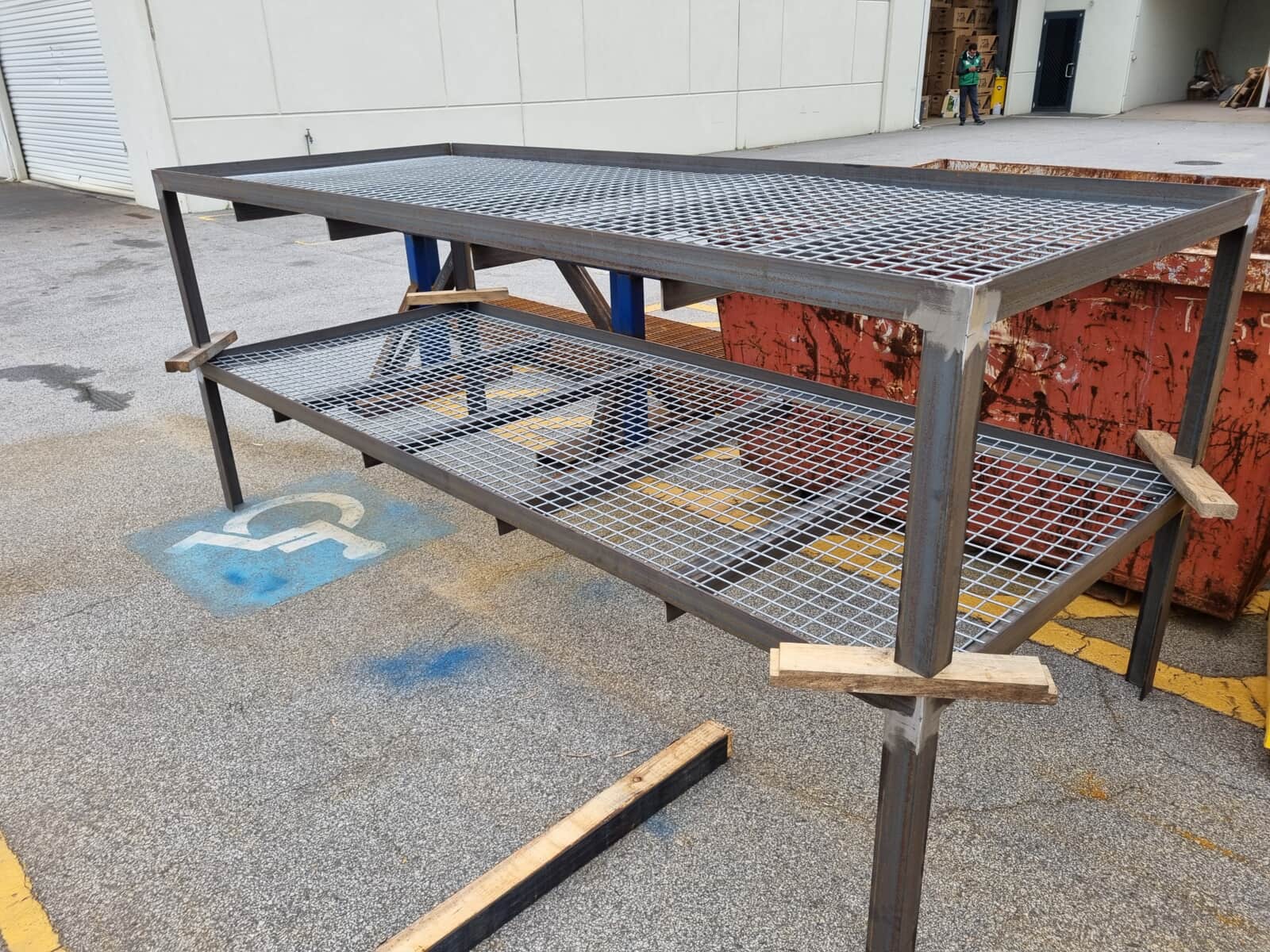
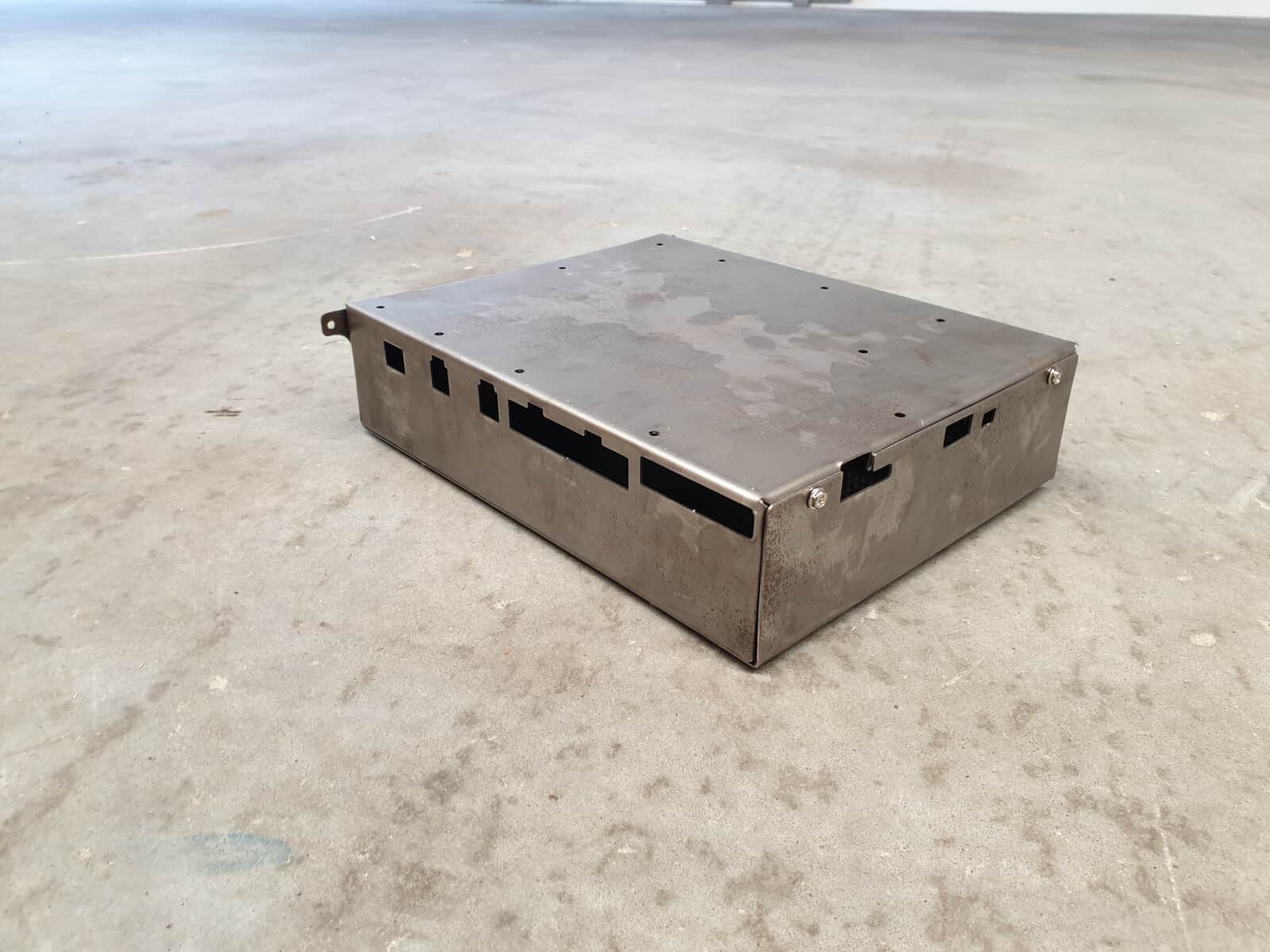
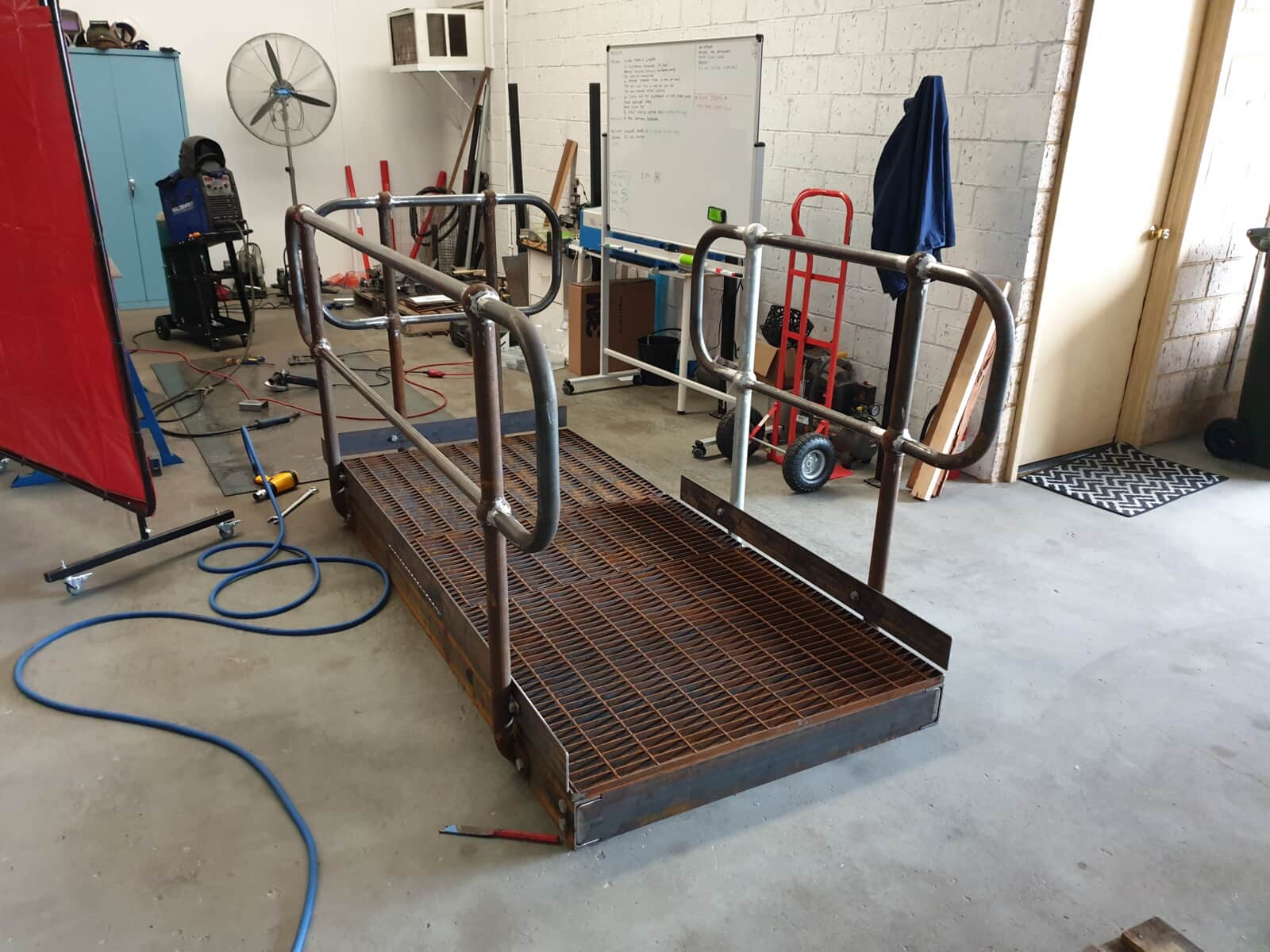
Custom sandblasting table - front view showing robust construction
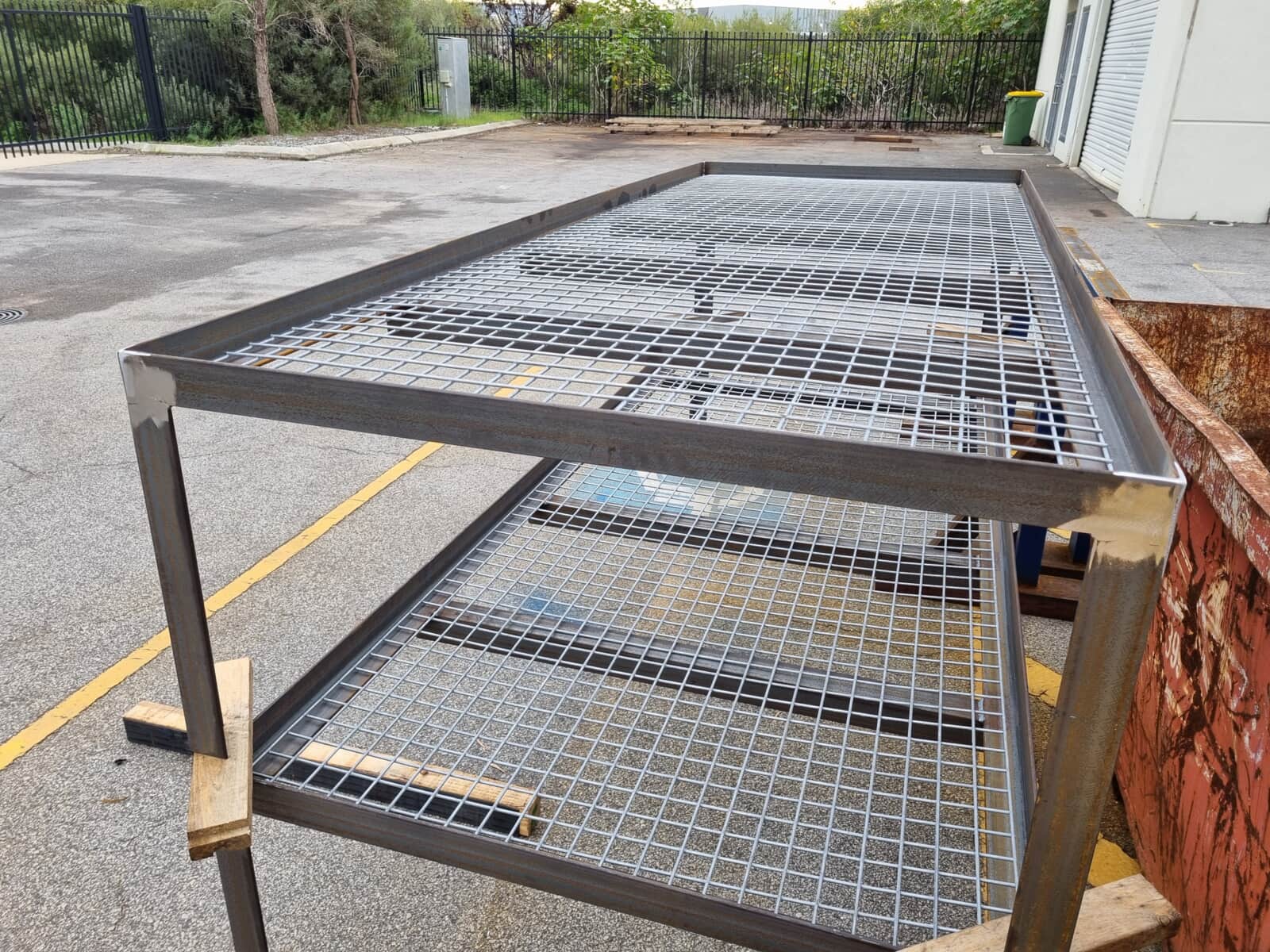
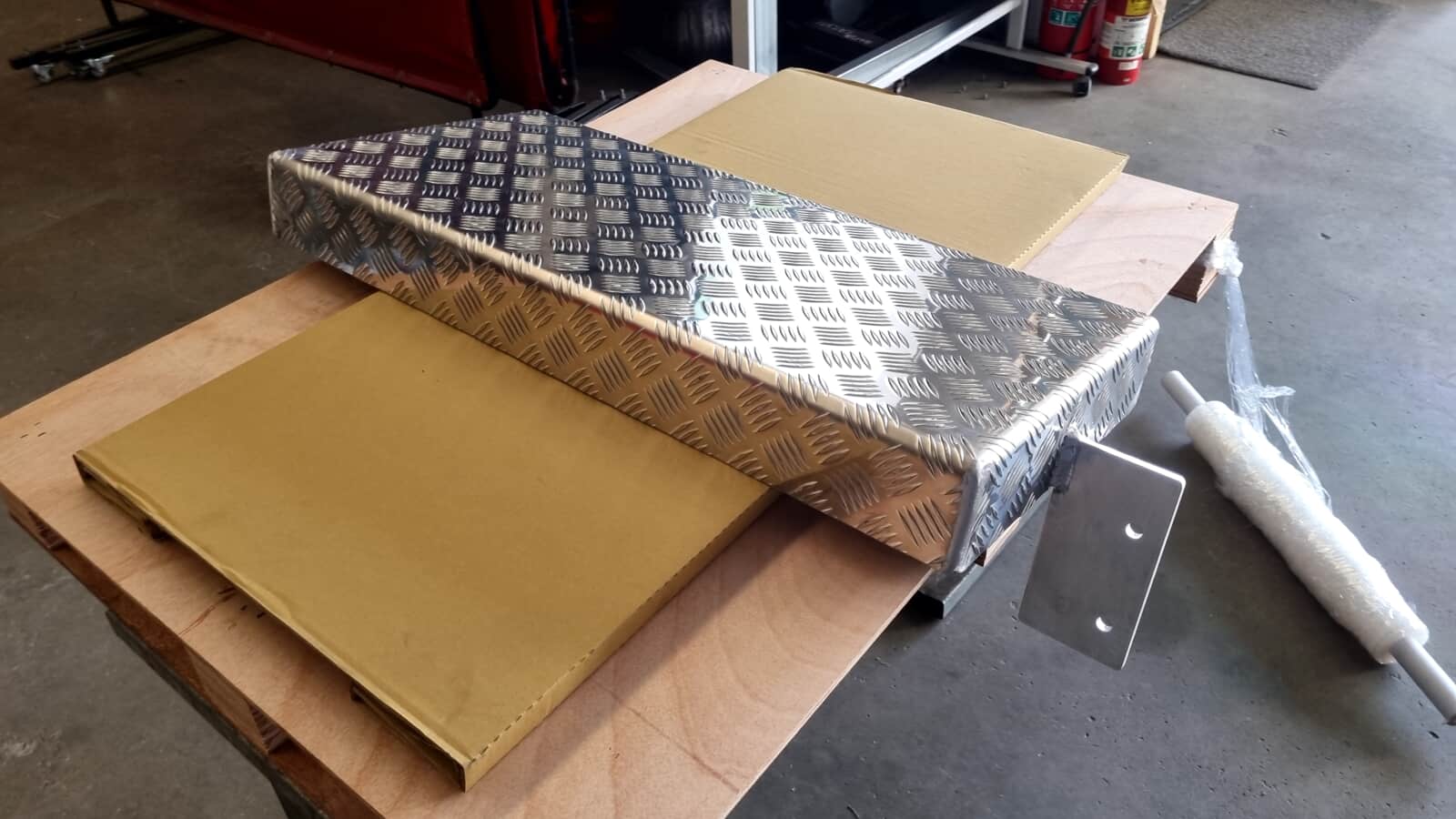
Sandblasting table - side view showing work surface design
Project Details
- Location
- Perth, Western Australia, Australia
- Sector
- Surface Treatment / Blasting / Industrial Finishing
- Status
- Completed
- Project Value
- $
- Completion Date
- June 2025
- Standards
- AS/NZS 1554 - Welding standards WorkSafe WA requirements Industrial equipment standards