Custom Titanium Furnace for Precious Metals Processing
Project Summary
When you’re melting gold worth thousands of dollars per ounce, contamination isn’t just an inconvenience. It directly affects the value and purity of the final product. Our client operates one of the world’s premier precious metals refineries producing bullion that trades globally, and needed a furnace where every surface that contacts molten metal would be absolutely inert—introducing zero contamination into gold, silver, or platinum being processed for investment-grade products. The solution required fabricating an entire furnace from titanium, a material that demands specialized welding techniques, meticulous contamination control throughout manufacturing, and expertise that few fabrication shops possess or even understand.
This project pushed our capabilities into territory that few fabrication shops ever encounter or would even attempt. Titanium welding requires controlled inert atmospheres. Specialized procedures. Welders with specific expertise that goes far beyond typical structural steel certification. The furnace needed to withstand temperatures exceeding 1064°C—the melting point of gold—while maintaining structural integrity and preventing any material interaction with the molten precious metals that could compromise purity measured in parts per million. Every aspect of the fabrication needed to support the facility’s uncompromising purity standards where even trace contamination is unacceptable.
Understanding Precious Metals Contamination
In precious metals refining, purity is measured in parts per million. Even trace contamination can significantly affect value. Traditional furnace materials—steel, stainless steel, even many refractory materials—can introduce minute amounts of contamination when in contact with molten precious metals at the extreme temperatures required for melting. At the temperatures required for melting gold, many materials become reactive or release trace elements that dissolve into the melt, compromising purity in ways that are difficult or impossible to remove later.
Titanium solves this contamination challenge through its unique properties that make it ideal for precious metals processing. It’s exceptionally resistant to corrosion. Doesn’t react with molten gold, silver, or platinum. It maintains structural integrity at the high temperatures required for precious metals processing without degrading or releasing contaminants. Most importantly, it doesn’t introduce contamination that would compromise the purity of refined metals—a critical requirement when producing investment-grade bullion. For this facility, where purity standards are absolute and reputation depends on consistent quality, titanium construction eliminates a potential contamination source that could affect product quality and value.
The challenge extends beyond simply using titanium—the fabrication process itself needs to prevent contamination that could compromise the furnace’s purpose. Any foreign material introduced during manufacturing could compromise the furnace’s purpose and create contamination issues that would be difficult to trace or eliminate. We needed to maintain clean fabrication practices throughout, ensuring the titanium remained uncontaminated from cutting through final assembly in ways that go far beyond typical fabrication shop cleanliness.
Specialized Titanium Fabrication
Titanium fabrication is fundamentally different from working with steel in ways that require completely different approaches and expertise. The material is more expensive—significantly more expensive than steel. More difficult to machine and form. Requires specialized welding techniques that don’t work with other materials. Titanium reacts with oxygen and nitrogen at elevated temperatures, which means welding must be performed in controlled inert atmospheres—not just shielding the weld pool, but protecting all heated metal from atmospheric contamination. Standard welding procedures that work perfectly for steel will produce contaminated, brittle welds in titanium that fail catastrophically.
We used TIG (GTAW) welding with comprehensive argon gas shielding for all titanium joints throughout the furnace construction. The welding process required shielding not just the weld pool itself, but also the back side of the weld and the surrounding heat-affected zone that extends beyond the visible weld area. We used trailing shields to protect the hot metal as it cooled—because titanium remains reactive even after the arc is extinguished—and back purging to prevent oxidation on the interior surfaces that would be exposed to molten precious metals. These aren’t optional refinements that improve quality slightly. They’re essential requirements for producing sound titanium welds that will perform reliably.
The welders performing this work have specific experience with titanium—not just general welding certification, but actual titanium welding experience. The material behaves differently than steel during welding in ways that can surprise experienced welders. Different thermal conductivity. Different expansion characteristics. Requires different techniques to achieve proper penetration and fusion without creating defects. The welding procedures we used are qualified specifically for titanium, ensuring the welds would have the strength and corrosion resistance required for this application where failure isn’t acceptable.
Every weld was inspected visually for signs of contamination or defects that would compromise performance. Titanium welds should have a specific appearance—bright silver with no discoloration indicating proper shielding and technique. Any gold, blue, or gray coloring indicates oxidation during welding, which compromises the weld’s properties and creates potential failure points. We maintained the controlled atmosphere and welding parameters necessary to produce consistently clean, strong welds throughout the furnace construction without exceptions.
Clean Fabrication Environment
Beyond the welding itself, the entire fabrication process needed to prevent contamination in ways that typical fabrication shops don’t consider necessary. We maintained clean fabrication practices throughout manufacturing, controlling the environment and handling procedures to keep the titanium free from contaminants that could compromise its performance in precious metals service. The material was handled with clean gloves—not the typical work gloves used in fabrication shops. Stored properly between operations. Protected from exposure to materials that could compromise its purity.
Cutting and forming operations were performed with tools dedicated to titanium work. Preventing cross-contamination from other materials. The fabrication area was kept clean and organized, minimizing dust and debris that could contaminate surfaces in ways that would be invisible but problematic. These practices might seem excessive for typical fabrication work where a bit of dirt doesn’t matter. But they’re essential when creating equipment for precious metals processing where contamination measured in parts per million matters and can affect product value significantly.
The titanium material itself came with full certification and traceability documentation that proves its composition and origin. The facility’s quality requirements demand knowing exactly what materials are used in equipment that contacts precious metals—not assumptions, but documented proof. We maintained complete documentation of the titanium grade, heat numbers, and certifications throughout the project, creating a paper trail that proves material quality.
High-Temperature Performance
The furnace needed to operate reliably at temperatures exceeding 1064°C—the melting point of gold—without degrading or failing. Titanium maintains its structural properties at these temperatures better than many materials, but the furnace design still needed to account for thermal expansion that occurs at these extreme temperatures, heat distribution that affects performance, and the stresses created by repeated heating and cooling cycles that can cause fatigue failures over time.
We designed the furnace structure to accommodate thermal expansion without creating excessive stresses that could cause cracking or distortion. Titanium expands when heated—all materials do—and the furnace components needed to be able to move slightly without binding or creating stress concentrations that would lead to failure. The design allows for this thermal movement while maintaining the structural integrity necessary for safe operation at temperatures that would destroy many materials.
The furnace integrates with thermal insulation systems that protect the titanium structure while allowing it to reach the temperatures necessary for melting precious metals efficiently. The insulation design ensures efficient heating while protecting the titanium from excessive temperatures that could affect its properties or cause premature failure. Access points for loading material and pouring molten metal are positioned and designed to maintain the furnace’s thermal efficiency while providing the operational access required for the facility’s processing procedures.
Precision Engineering for Critical Application
This furnace will process precious metals worth substantial sums—potentially millions of dollars of gold, silver, and platinum over its service life. Reliability and performance are absolutely critical. The facility can’t afford equipment failures that could result in lost production, damaged materials, or compromised purity that would affect their reputation. The furnace needed to be engineered and fabricated to standards that ensure reliable operation throughout years of demanding service where failure isn’t an option.
The precision we built into this furnace—from material selection through welding procedures to final assembly—reflects the critical nature of its application where mistakes are expensive. Every component serves its purpose reliably. Every weld maintains its integrity under thermal cycling. Every surface that contacts molten metal remains inert and non-contaminating. This level of quality isn’t just about meeting specifications on paper—it’s about providing equipment the facility can depend on for processing some of the world’s most valuable materials without concerns about contamination or failure.
This project demonstrates our capability in exotic material fabrication and specialized welding techniques that go far beyond typical structural steel work. Titanium fabrication requires expertise, equipment, and procedures that go well beyond what most fabrication shops possess or understand. The furnace we created for this facility proves we can deliver precision-engineered solutions for the most demanding applications, where material purity, high-temperature performance, and absolute reliability are non-negotiable requirements that define success or failure.
Project Gallery
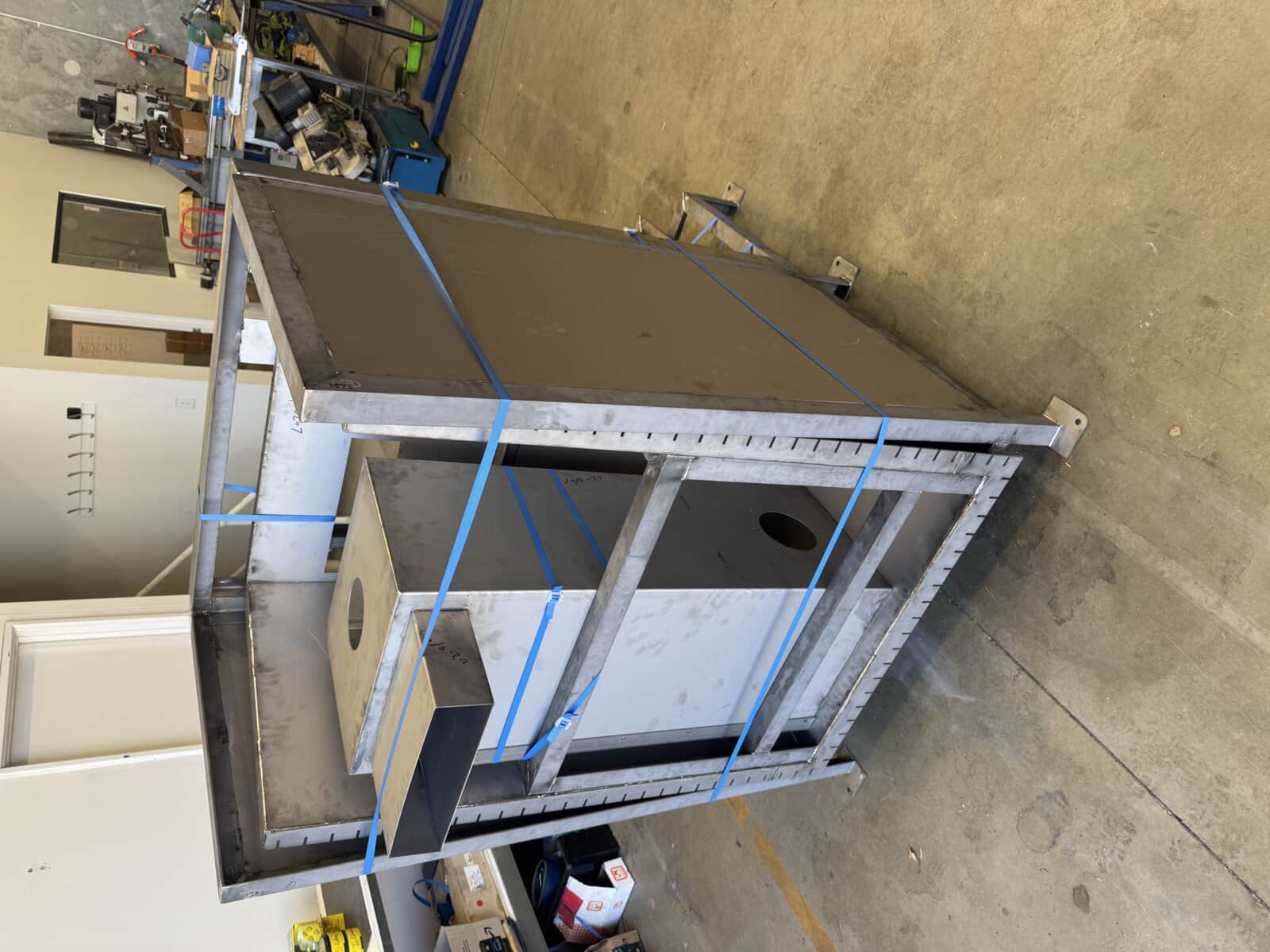
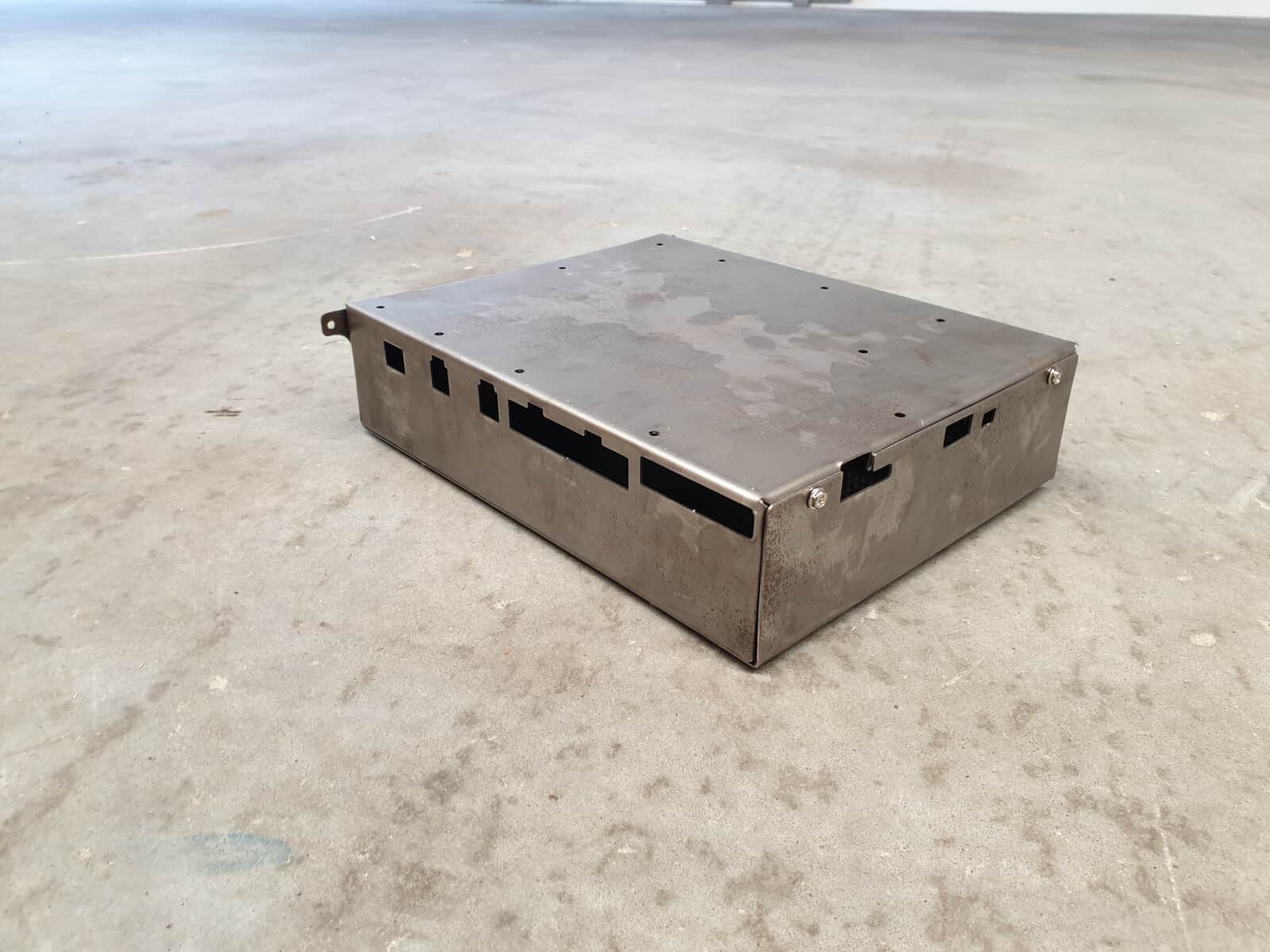
Completed titanium furnace for precious metals processing
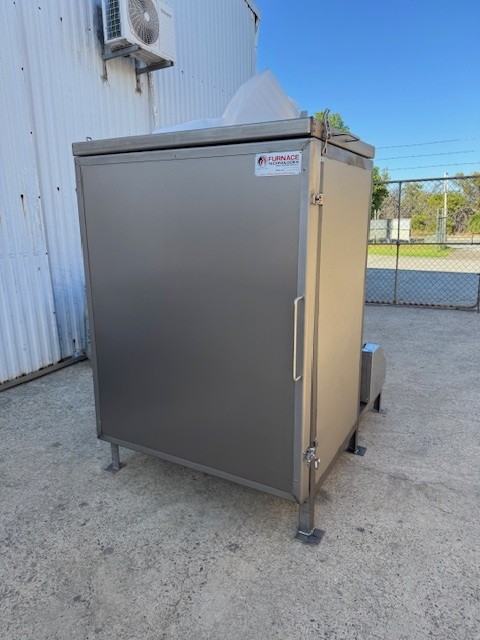
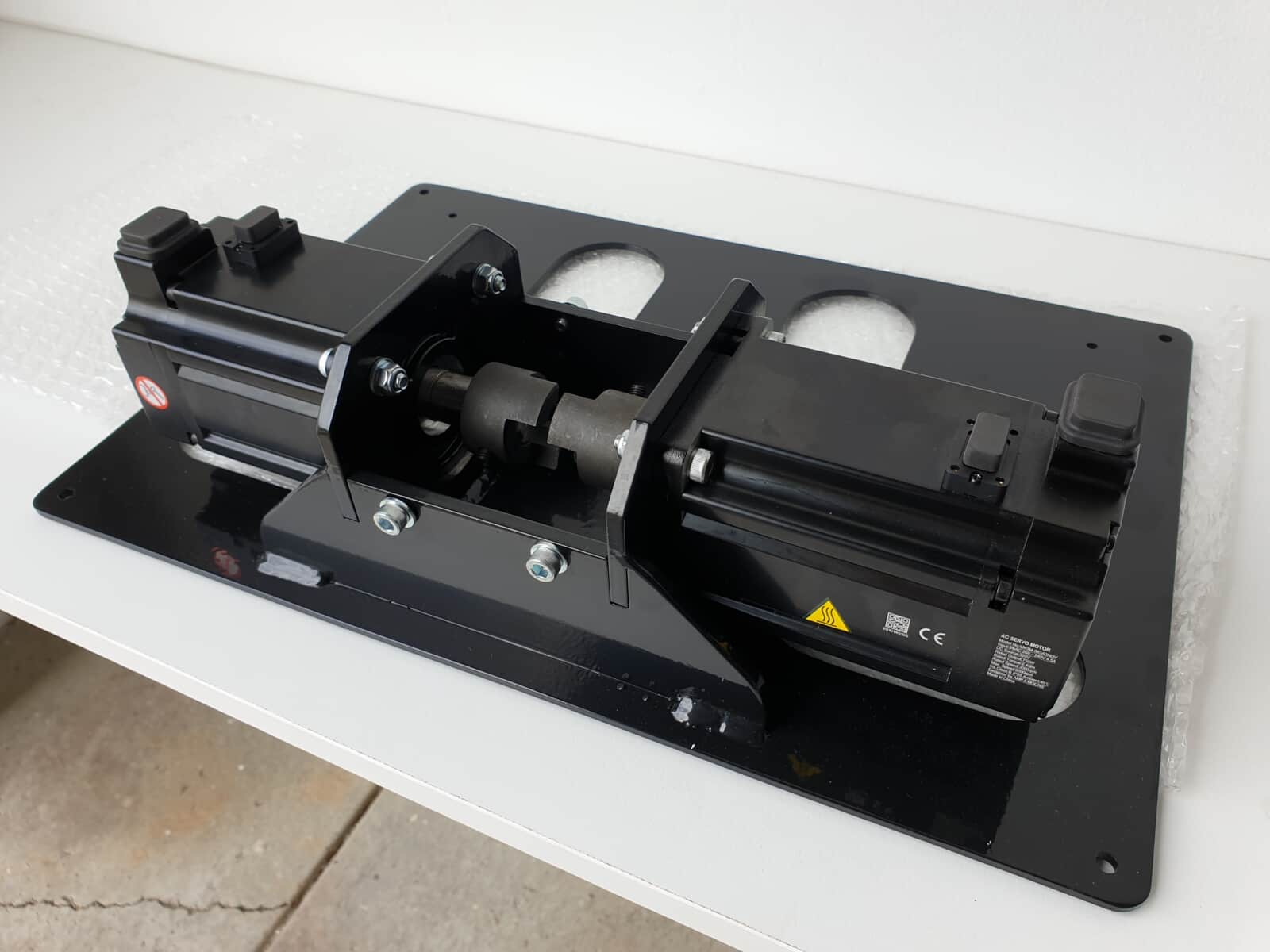
Front view of titanium furnace showing construction detail
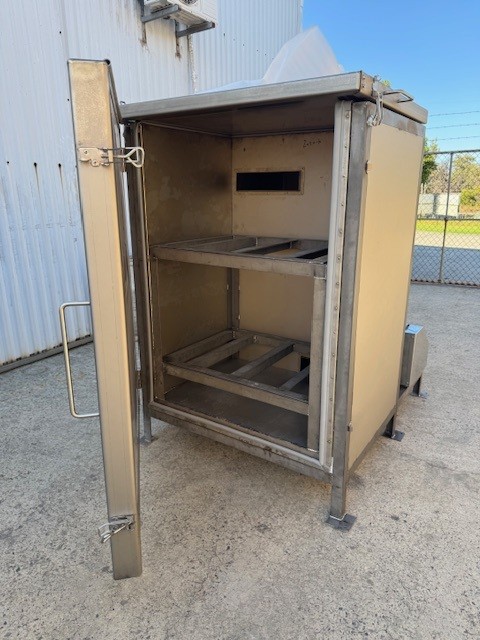
Interior view showing titanium construction and welding
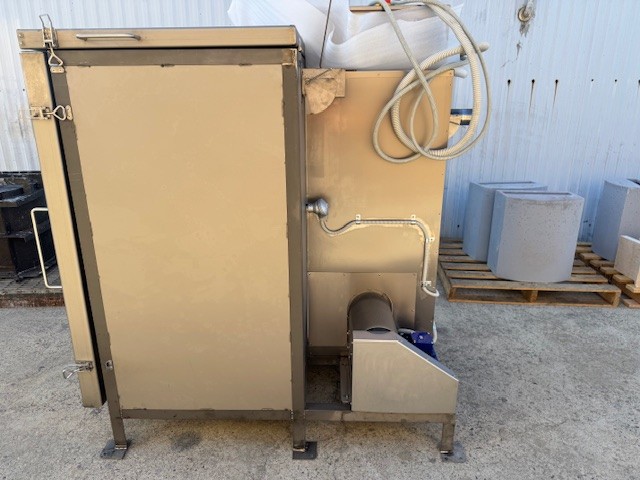
Side view of titanium furnace assembly
Project Details
- Location
- Perth, Western Australia, Australia
- Sector
- Precious Metals / Mining / Manufacturing
- Status
- Completed
- Project Value
- $$$
- Completion Date
- March 2025
- Standards
- Precious metals industry purity standards AS/NZS 1554.6 - Titanium welding Precious metals industry specifications Material traceability requirements